Home / Science / Quantum Leap: Simulating Universe's Secrets Unlocked
Quantum Leap: Simulating Universe's Secrets Unlocked
19 Nov
Summary
- Quantum computers now simulate particle collisions with over 100 qubits.
- New scalable quantum circuits prepare initial states for complex physics.
- Simulations shed light on matter-antimatter imbalance and supernovae.
- IBM quantum hardware used for largest digital quantum simulation yet.
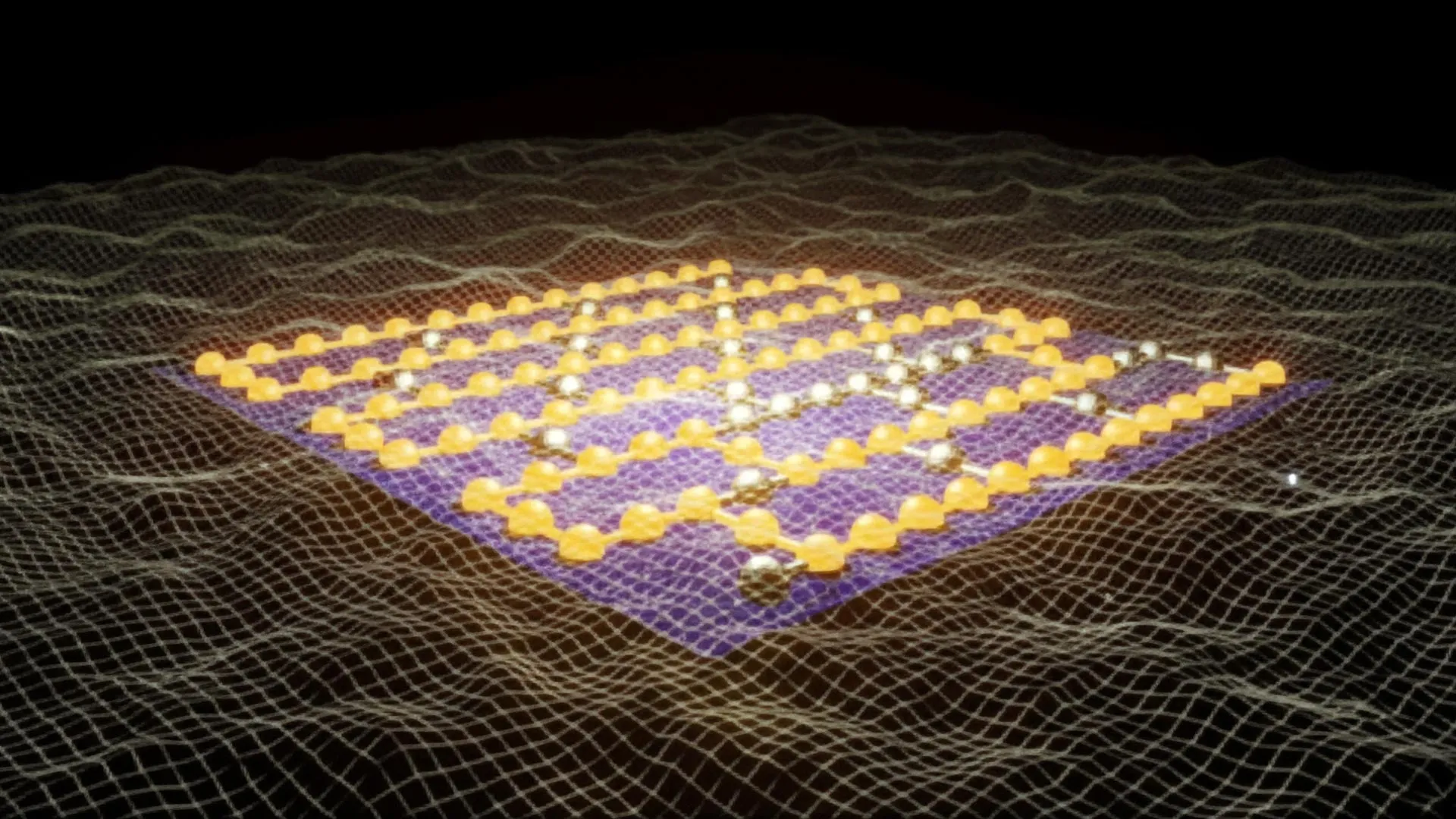
Researchers have successfully developed scalable quantum circuits capable of preparing the initial state for simulating particle collisions, a feat previously beyond classical supercomputers. These circuits focus on the strong interactions described by the Standard Model of particle physics, enabling the study of matter under extreme conditions.
The team leveraged IBM's quantum hardware to perform the largest digital quantum simulation ever completed, utilizing over 100 qubits to model key aspects of nuclear physics. This breakthrough provides unprecedented insight into phenomena such as the imbalance between matter and antimatter and the processes within supernovae.
This advancement opens doors to simulating systems with extremely high densities and other challenging quantum phenomena. The techniques developed are expected to significantly exceed classical computing capabilities, offering new avenues for understanding fundamental physics and exploring exotic materials.