Home / Science / Viral Macaque Punch Faces Social Isolation
Viral Macaque Punch Faces Social Isolation
25 Feb
Summary
- Punch, a seven-month-old Japanese macaque, was rejected twice by his mother and social group.
- Experts warn of long-term psychological effects of social isolation for the young primate.
- Punch may be moved to a new social group later in life to forge new relationships.
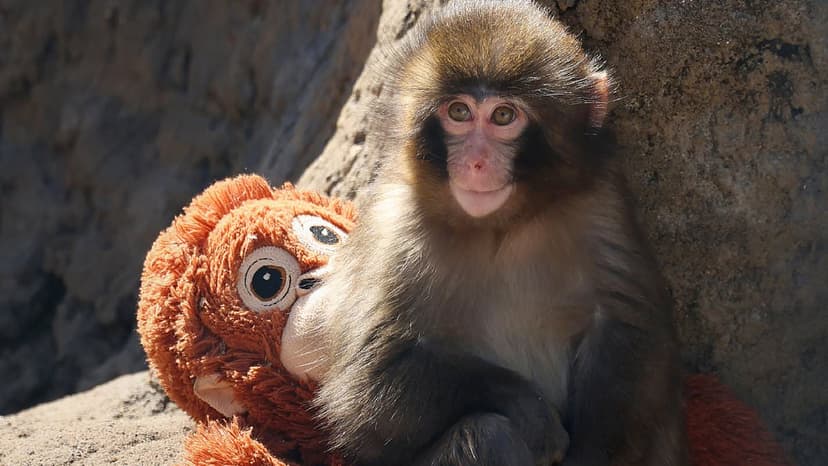
Scientists are offering insights into the likely future of Punch, a seven-month-old Japanese macaque who gained internet fame after being rejected by his mother at birth. Zookeepers provided him with a stuffed orangutan, to which he formed a strong attachment. Despite brief moments of apparent comfort from another macaque, Punch was later rejected more aggressively by the social group.
Dr. Emily Bethell, an expert in primate cognition, expects Punch to remain under close keeper observation. The aim is to integrate him into the group, but he would be removed if he risks physical harm. The most significant threat to Punch is not physical injury, but the potential long-term psychological consequences of social isolation.
He missed critical developmental opportunities to learn social behaviors essential for navigating macaque hierarchies. While interventions by keepers could be detrimental, scientists note that as a male, Punch may eventually be moved to a new group upon reaching sexual maturity. This could offer him a chance to form new relationships, as male macaques typically migrate from their natal groups.
His mother's abandonment is attributed to her youth and inexperience, possibly exacerbated by hot weather conditions at his birth. Early life stress or abnormal rearing for the mother could also have played a role. Experts caution that primates are wild animals and should not be kept as pets, as juvenile primates can become poorly socialized and aggressive adults.