feedzop-word-mark-logo
searchLogin
Feedzop
homeFor YouUnited StatesUnited States
You
bookmarksYour BookmarkshashtagYour Topics
Trending
trending

Universal flu vaccine challenge

trending

Man City vs Brentford LIVE

trending

Mammoth vs. Red Wings game

trending

Micron stock soars on AI

trending

Phillies land Brad Keller

trending

Atletico Baleares vs Atletico Madrid

trending

Cavaliers vs. Bulls watch

trending

Dolphins to release Matthew Judon

trending

Celtic faces Dundee United

Terms of UsePrivacy PolicyAboutJobsPartner With Us

© 2025 Advergame Technologies Pvt. Ltd. ("ATPL"). Gamezop ® & Quizzop ® are registered trademarks of ATPL.

Gamezop is a plug-and-play gaming platform that any app or website can integrate to bring casual gaming for its users. Gamezop also operates Quizzop, a quizzing platform, that digital products can add as a trivia section.

Over 5,000 products from more than 70 countries have integrated Gamezop and Quizzop. These include Amazon, Samsung Internet, Snap, Tata Play, AccuWeather, Paytm, Gulf News, and Branch.

Games and trivia increase user engagement significantly within all kinds of apps and websites, besides opening a new stream of advertising revenue. Gamezop and Quizzop take 30 minutes to integrate and can be used for free: both by the products integrating them and end users

Increase ad revenue and engagement on your app / website with games, quizzes, astrology, and cricket content. Visit: business.gamezop.com

Property Code: 5571

Home / Science / Pompeii Victims Wore Wool for Vesuvius Blast

Pompeii Victims Wore Wool for Vesuvius Blast

18 Dec

•

Summary

  • Victims wore heavy wool tunics and cloaks for protection.
  • New study suggests Pompeii eruption occurred in cooler October.
  • Clothing analysis supports late autumn date for Vesuvius eruption.
Pompeii Victims Wore Wool for Vesuvius Blast

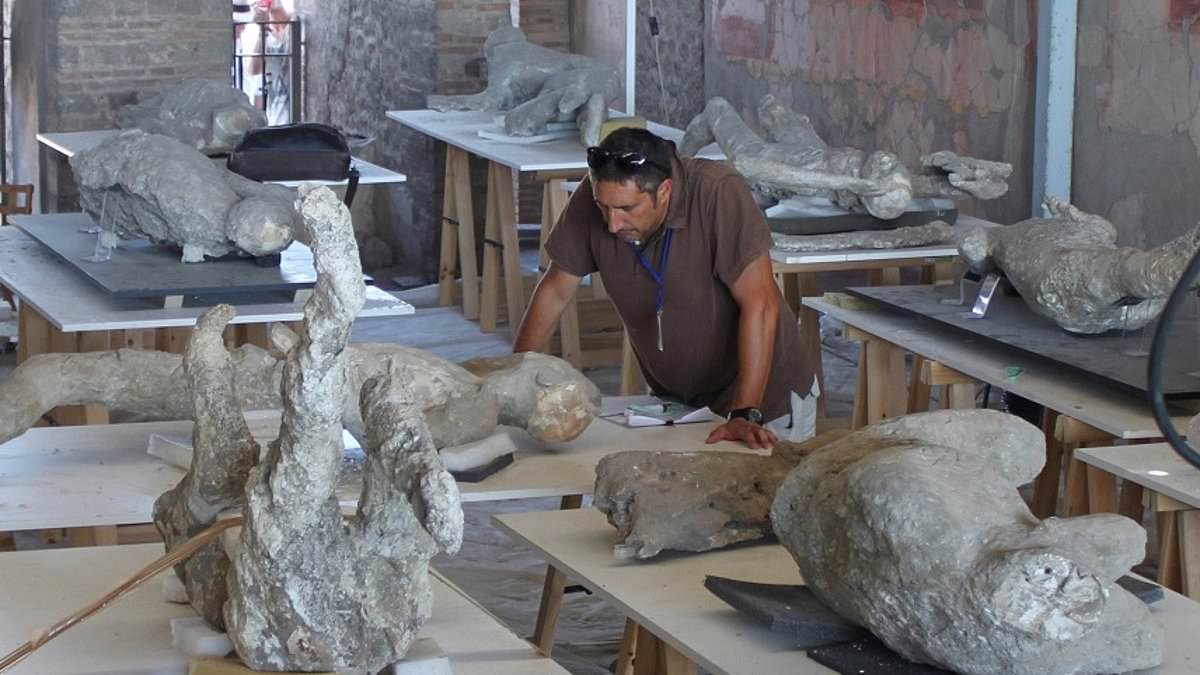
A recent study of plaster casts from Pompeii offers new insights into the final moments of its inhabitants during the Mount Vesuvius eruption. Analysis of fabric patterns on the casts indicates victims wore thick, woolen tunics and cloaks, suggesting a need for protection against the harsh volcanic debris and gases.

These garment details, particularly the use of heavy wool, align with evidence supporting an autumn eruption. While traditionally dated to August 24, AD 79, discoveries of autumn fruits and braziers suggest the disaster may have occurred later in the year, potentially in October.

The eruption in AD 79 buried Pompeii and surrounding settlements, preserving the victims within ash. The study, led by Professor Llorenç Alapont, examined 14 plaster casts, with four clearly showing heavy wool weaves, contributing to the ongoing debate about the precise date of this ancient catastrophe.


This story has been auto-aggregated and auto-summarised by a computer program. This story has not been edited or created by the Feedzop team.
Disclaimer:
New analysis of plaster casts reveals Pompeii victims wore heavy wool clothing for protection during the eruption.
Evidence, including victim clothing, suggests the Mount Vesuvius eruption may have occurred in October AD 79, rather than August.
Bodies of victims were preserved in a protective shell of ash after the Mount Vesuvius eruption, later recreated using plaster casts.

Read more news on

Scienceside-arrow

You may also like

Konyukhov Braves Cyclone on Antarctic Birthday

12 Dec • 33 reads

article image

Lost Pompeii Towers Revealed by Digital Dig

7 Dec • 40 reads

article image

Kilauea Erupts Again: Lava Flows Overnight

23 Nov • 106 reads

article image

Solo Explorer Braves Antarctic Chill for Science

20 Nov • 163 reads

article image

Volcanoes Reshape Landscapes and Lives Worldwide

17 Nov • 129 reads

article image