Home / Science / Pompeii Victims Wore Wool for Vesuvius Blast
Pompeii Victims Wore Wool for Vesuvius Blast
18 Dec, 2025
Summary
- Victims wore heavy wool tunics and cloaks for protection.
- New study suggests Pompeii eruption occurred in cooler October.
- Clothing analysis supports late autumn date for Vesuvius eruption.
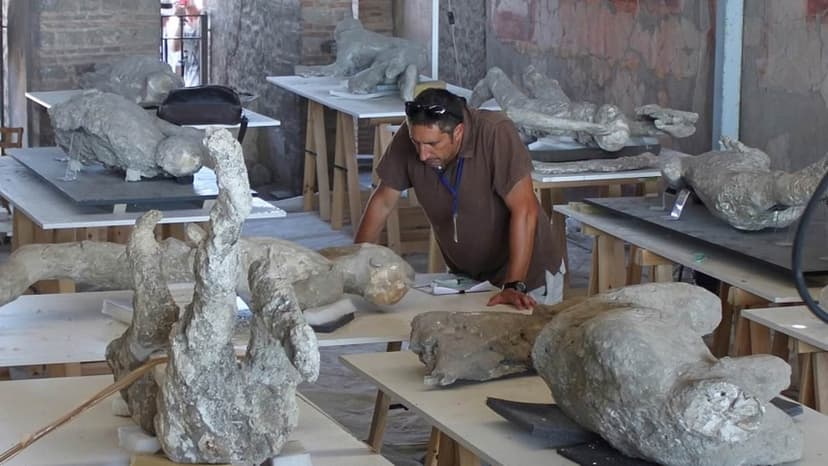
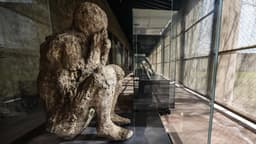
A recent study of plaster casts from Pompeii offers new insights into the final moments of its inhabitants during the Mount Vesuvius eruption. Analysis of fabric patterns on the casts indicates victims wore thick, woolen tunics and cloaks, suggesting a need for protection against the harsh volcanic debris and gases.
These garment details, particularly the use of heavy wool, align with evidence supporting an autumn eruption. While traditionally dated to August 24, AD 79, discoveries of autumn fruits and braziers suggest the disaster may have occurred later in the year, potentially in October.
The eruption in AD 79 buried Pompeii and surrounding settlements, preserving the victims within ash. The study, led by Professor Llorenç Alapont, examined 14 plaster casts, with four clearly showing heavy wool weaves, contributing to the ongoing debate about the precise date of this ancient catastrophe.