Home / Science / Polar Bears' Secret Weapon: Tiny Bumps Grip Ice
Polar Bears' Secret Weapon: Tiny Bumps Grip Ice
19 Feb
Summary
- Polar bears use microscopic bumps on their paws for ice traction.
- Their wide, webbed paws distribute weight, preventing ice breakage.
- Sharp, curved claws are 1.97 inches long for gripping and hunting.
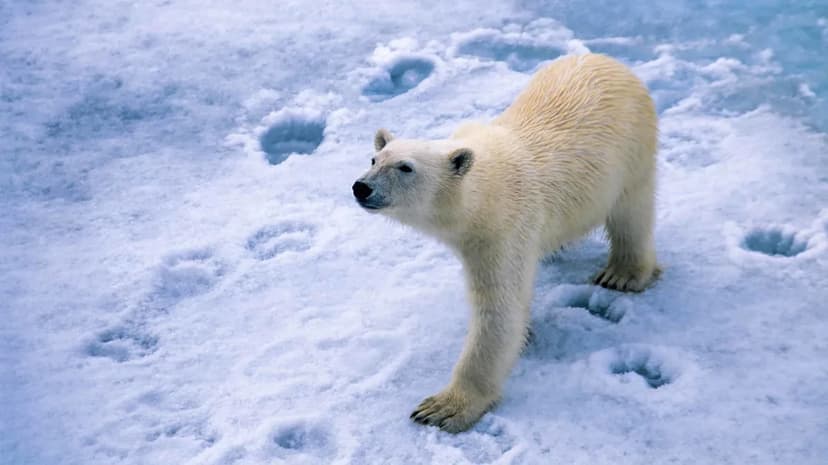
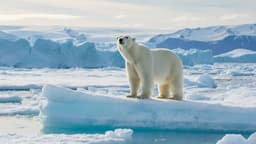
Polar bears, reaching up to 1,700 pounds, are the planet's largest land predators, perfectly adapted for the Arctic. Their survival hinges on specialized paws that provide exceptional grip on ice, essential for hunting seals and other prey.
Microscopic, rough bumps known as papillae on their paw pads significantly increase friction on icy surfaces. A 2022 study highlighted these papillae as being taller and having more surface area compared to those of other bear species.
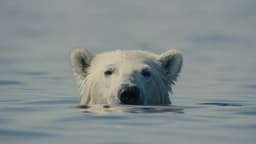
Furthermore, polar bears have wide, webbed paws that distribute their immense weight, preventing them from breaking through sea ice. These paws also serve as paddles for efficient swimming, a crucial skill for these marine mammals.
Rounding out their impressive paw anatomy are sharp, curved claws measuring 1.97 inches. These claws are vital for securing prey and maintaining a firm hold on ice while on the move.
Polar bears are currently listed as Vulnerable due to habitat loss driven by climate change, with their survival directly linked to the presence of sea ice.