Home / Science / Platypus's Hollow Melanin: Mammal Mimics Birds
Platypus's Hollow Melanin: Mammal Mimics Birds
19 Mar
Summary
- Platypuses possess hollow melanin structures, a trait unique to mammals.
- This melanin characteristic is typically found in birds, not mammals.
- Scientists are investigating the evolutionary reason for this platypus anomaly.

The platypus, a creature renowned for its duck-like bill, beaver tail, and egg-laying abilities, has surprised scientists once again. New research published in the journal Biology Letters reveals that this Australian mammal possesses hollow melanin structures, a feature previously only observed in birds. These structures are typically solid in mammals.
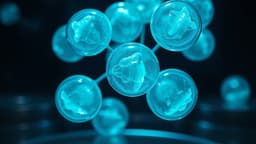
Scientists identified that the platypus's melanosomes, the structures containing melanin, are hollow, a trait usually associated with the vibrant coloration seen in birds. This discovery was made while compiling a database of mammal melanosomes. The purpose behind this peculiar trait in platypuses remains a mystery, prompting further scientific investigation.
While the exact evolutionary reasons are unclear, one theory suggests that hollow melanosomes may have aided platypus ancestors in adapting to aquatic life, potentially offering better insulation. However, this theory raises further questions about why such a trait isn't more common among other aquatic mammals.