Home / Science / Plastic Bottles Transformed Into Parkinson's Drug
Plastic Bottles Transformed Into Parkinson's Drug
16 Mar
Summary
- Bacteria convert PET plastic waste into Parkinson's medication L-DOPA.
- This bio-upcycling method offers a sustainable alternative to fossil fuel-based drug production.
- The breakthrough could launch a new industry using waste for high-value products.
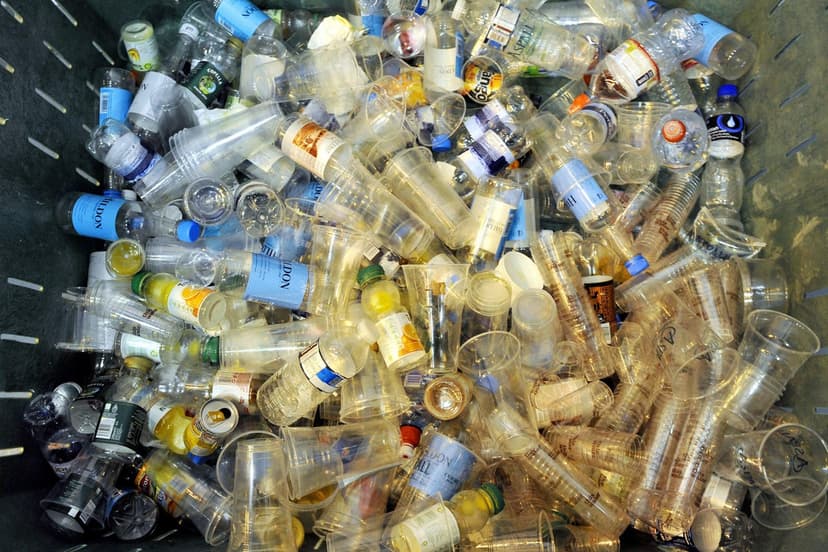
Researchers at the University of Edinburgh have pioneered a method to create L-DOPA, a key Parkinson's disease medication, directly from used plastic bottles. The innovative approach utilizes specially engineered E. coli bacteria to convert polyethylene terephthalate (PET), a common plastic found in packaging, into the vital therapeutic. This biological process marks the first time plastic waste has been repurposed for a neurological drug.
The scientific team breaks down PET waste into terephthalic acid, a chemical building block. Subsequently, E. coli bacteria transform these molecules into L-DOPA through a series of natural biological reactions. This sustainable method contrasts sharply with conventional pharmaceutical manufacturing, which relies heavily on fossil fuels.