Home / Science / Plastic Bottles Transformed Into Parkinson's Drug
Plastic Bottles Transformed Into Parkinson's Drug
16 Mar
Summary
- Bacteria convert PET plastic waste into Parkinson's medication L-DOPA.
- This bio-upcycling method offers a sustainable alternative to fossil fuel-based drug production.
- The breakthrough could launch a new industry using waste for high-value products.
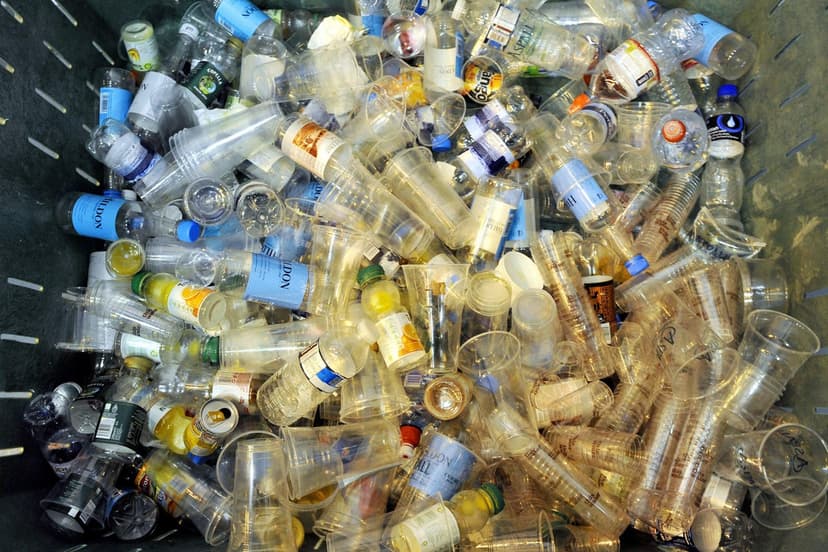
Researchers at the University of Edinburgh have pioneered a method to create L-DOPA, a key Parkinson's disease medication, directly from used plastic bottles. The innovative approach utilizes specially engineered E. coli bacteria to convert polyethylene terephthalate (PET), a common plastic found in packaging, into the vital therapeutic. This biological process marks the first time plastic waste has been repurposed for a neurological drug.
The scientific team breaks down PET waste into terephthalic acid, a chemical building block. Subsequently, E. coli bacteria transform these molecules into L-DOPA through a series of natural biological reactions. This sustainable method contrasts sharply with conventional pharmaceutical manufacturing, which relies heavily on fossil fuels.
This advancement signals the potential for a new "bio-upcycling industry." Such an industry could harness waste materials to produce a wide array of products, including flavourings, fragrances, cosmetics, industrial chemicals, and pharmaceuticals. Professor Stephen Wallace highlighted the potential, stating, "If we can create medicines for neurological disease from a waste plastic bottle, it's exciting to imagine what else this technology could achieve."
The research team is now focused on industrializing this technology. Efforts will involve optimizing the process, enhancing scalability, and thoroughly evaluating its environmental and economic viability. The work was conducted at the university's Carbon-Loop Sustainable Biomanufacturing Hub, aiming to revolutionize UK manufacturing by converting industrial waste into valuable, sustainable chemicals and materials.