Home / Science / Pioneering Meteorologist's Cloud Classification System Revolutionizes Weather Prediction
Pioneering Meteorologist's Cloud Classification System Revolutionizes Weather Prediction
17 Oct
Summary
- London pharmacist Luke Howard proposed a cloud classification system in 1803
- His system uses Latin terms like "cumulus" and "cirrus" to describe cloud types
- Howard's system has been adopted by the World Meteorological Organization
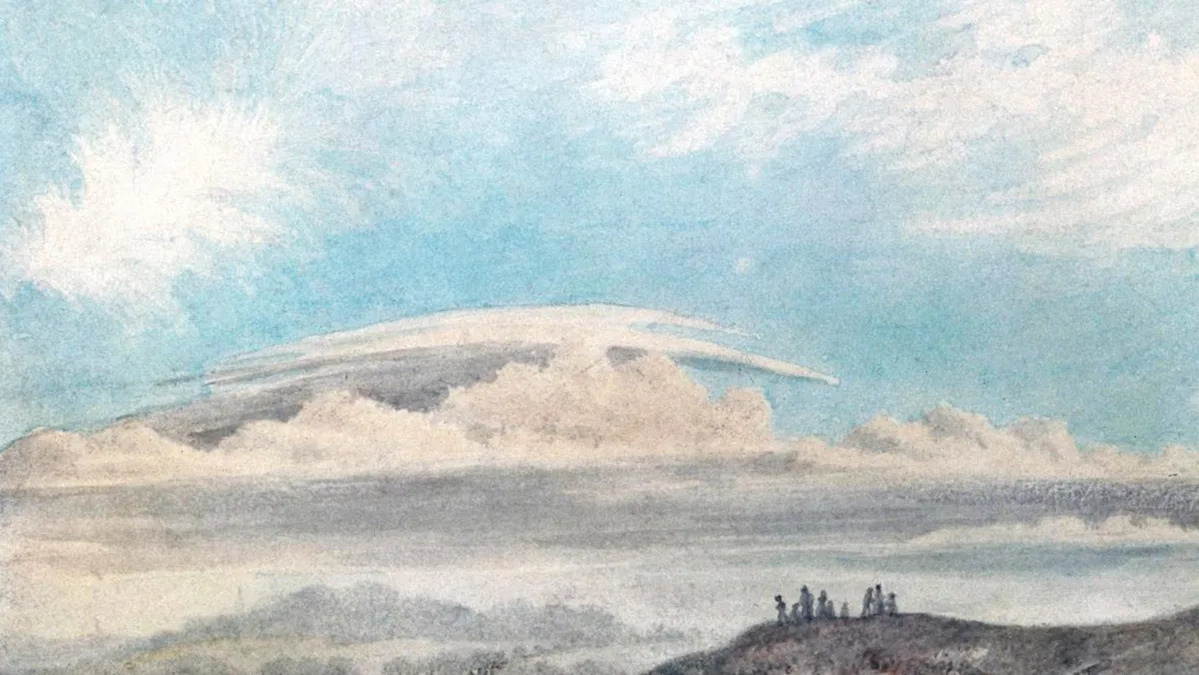
Over 200 years ago, in 1803, a London pharmacist and amateur meteorologist named Luke Howard proposed a revolutionary cloud classification system that would forever change the way we understand and predict the weather. Speaking to the Askesian Society, Howard chose to use Latin terms for his system, as it was the universal language of science at the time, ensuring his work could be understood internationally.
Howard's system introduced the now-familiar cloud names we use today, such as "cumulus" (meaning "heap"), "stratus" ("layer"), and "cirrus" ("curl"). By combining these basic terms, he was able to describe all cloud varieties, from "cumulonimbus" (heap-rain cloud) to "altocumulus" (high heaps). This innovative approach has been adopted by the World Meteorological Organization and is now the foundation of the "International Cloud Atlas," which has been updated multiple times since its first edition in 1896.