Home / Science / Nova Scotia Slug: Nature's Solar Panel?
Nova Scotia Slug: Nature's Solar Panel?
3 Dec, 2025
Summary
- Elusive sea slugs in Nova Scotia photosynthesize like plants.
- These slugs steal chloroplasts from algae for energy.
- Studying them could impact clean energy and medicine.
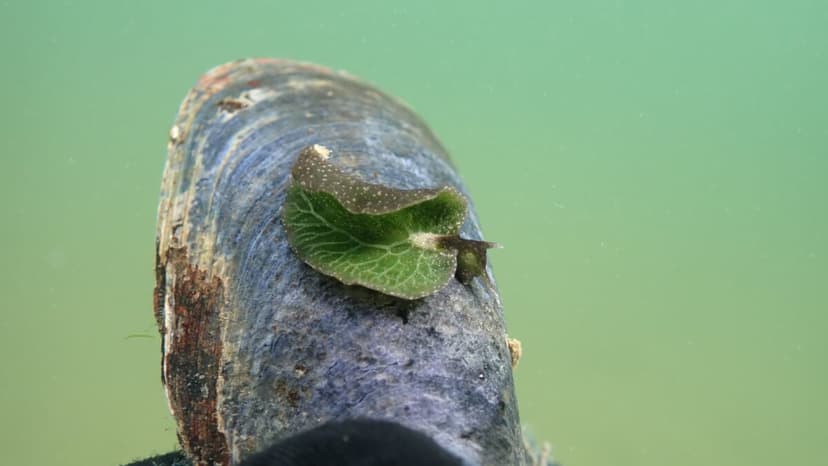
In Nova Scotia, Canada, snorkelers have encountered the eastern emerald elysia, a sea slug with an astonishing ability to photosynthesize. This unique creature consumes algae and, remarkably, incorporates the algae's chloroplasts into its own body. These chloroplasts then function to convert sunlight into energy for the slug, mimicking plant photosynthesis.
This adaptation allows the slugs to survive for extended periods without traditional food sources, relying instead on sunlight. Researchers are investigating the extent of this reliance and the slug's remarkable regenerative capabilities. Understanding these processes could offer breakthroughs in areas such as renewable energy and advanced medical treatments.
Despite their presence along the North American east coast, these slugs are notoriously difficult to study due to fluctuating populations and specific habitat requirements. Their elusive nature, coupled with their photosynthetic talent, makes them a fascinating subject for scientific exploration.