Home / Science / Permafrost Thaw Slumps Threaten Qinghai-Tibet Ecosystems
Permafrost Thaw Slumps Threaten Qinghai-Tibet Ecosystems
21 Jan
Summary
- Permafrost collapse alters soil structure, affecting nutrient flow.
- Rising temperatures and changing precipitation accelerate permafrost thaw.
- Study offers data for climate models and conservation efforts.
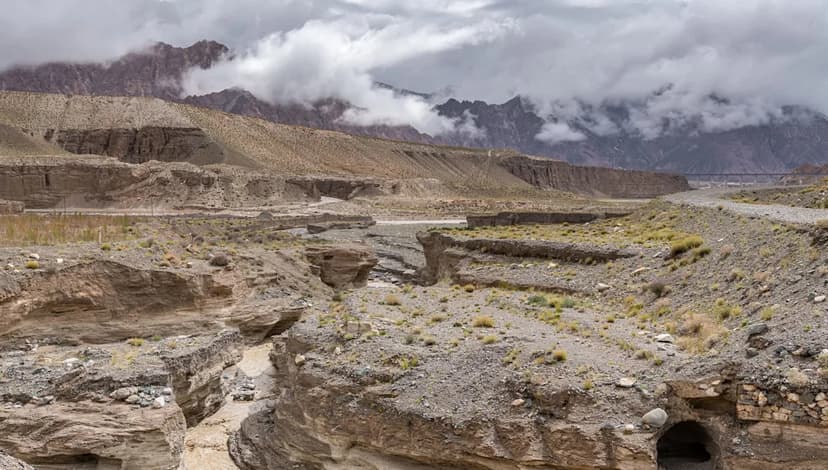
Chinese scientists have detailed the impacts of permafrost collapse, specifically thaw slumps, on the alpine ecosystems of the Qinghai-Tibet Plateau. This phenomenon causes land to sink and slide, altering soil structure and moisture content, which in turn affects the movement of vital nutrients like carbon and nitrogen.
The study, led by researchers at the Northwest Institute of Eco-Environment and Resources, highlights that rising global temperatures and shifting precipitation patterns are major drivers of this permafrost degradation. The thawing process releases significant amounts of stored carbon dioxide and methane into the atmosphere.
This ongoing permafrost collapse not only destabilizes the delicate plateau ecosystem and reshapes landscapes but also creates feedback loops that can accelerate global warming. The findings offer critical data for improving climate models and informing global carbon budget assessments, aiding in climate mitigation efforts.