Home / Science / Stone Age Hunters Used Toxic Arrows 60 Millennia Ago
Stone Age Hunters Used Toxic Arrows 60 Millennia Ago
8 Jan
Summary
- Oldest poison arrows ever found date back 60,000 years.
- Traces of gifbol plant toxins identified on Stone Age arrowheads.
- Discovery reveals advanced hunting strategies and cognitive abilities.
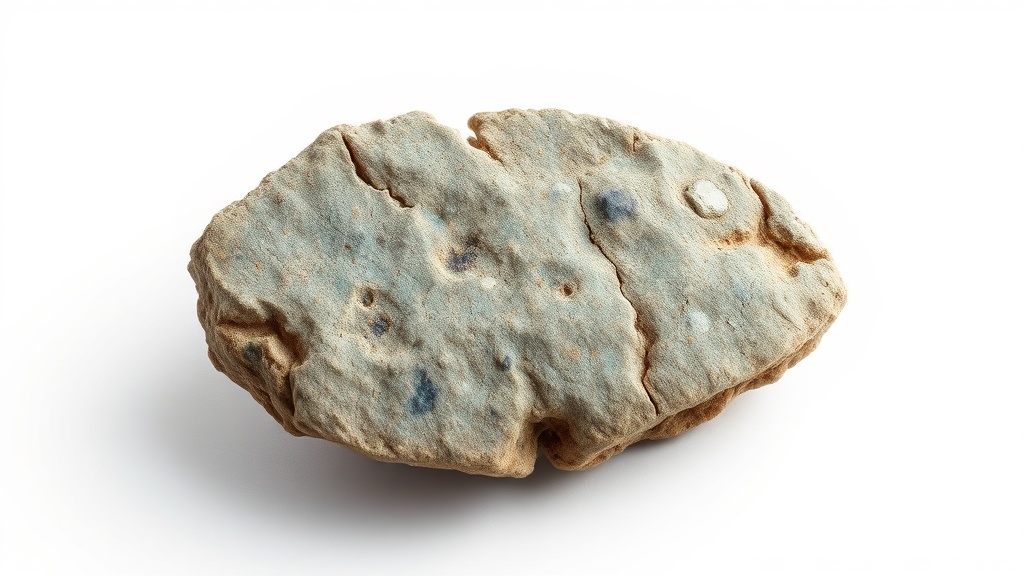
Approximately 60,000 years ago, hunter-gatherers in South Africa utilized sophisticated hunting techniques involving poison-tipped arrows. Scientists have identified the oldest known examples of these poisoned tools, finding residue from the gifbol plant on Stone Age arrowheads excavated from the Umhlatuzana Rock Shelter. This discovery, published in Science Advances, pushes back the timeline for such advanced hunting strategies by thousands of years.
The analysis revealed chemical traces of alkaloids, specifically from the gifbol plant, on quartz arrowheads. This indicates that prehistoric humans possessed significant knowledge of plant toxins, understanding which plants to use and how to apply them to effectively hunt animals. The use of poison arrows suggests advanced cognitive abilities, including cause-and-effect reasoning and the anticipation of delayed results, as the poison often weakened prey over time rather than killing instantly.
This groundbreaking find challenges previous understandings of Late Pleistocene hunter-gatherer capabilities. The evidence points to complex cultural knowledge and well-developed hunting practices, demonstrating that early humans exploited plant properties not only for sustenance but also for advanced tools. The study's findings contribute to the growing body of evidence for the cognitive sophistication of Homo sapiens during this era.