feedzop-word-mark-logo
searchLogin
Feedzop
homeFor YouUnited StatesUnited States
You
bookmarksYour BookmarkshashtagYour Topics
Trending
Terms of UsePrivacy PolicyAboutJobsPartner With Us

© 2026 Advergame Technologies Pvt. Ltd. ("ATPL"). Gamezop ® & Quizzop ® are registered trademarks of ATPL.

Gamezop is a plug-and-play gaming platform that any app or website can integrate to bring casual gaming for its users. Gamezop also operates Quizzop, a quizzing platform, that digital products can add as a trivia section.

Over 5,000 products from more than 70 countries have integrated Gamezop and Quizzop. These include Amazon, Samsung Internet, Snap, Tata Play, AccuWeather, Paytm, Gulf News, and Branch.

Games and trivia increase user engagement significantly within all kinds of apps and websites, besides opening a new stream of advertising revenue. Gamezop and Quizzop take 30 minutes to integrate and can be used for free: both by the products integrating them and end users

Increase ad revenue and engagement on your app / website with games, quizzes, astrology, and cricket content. Visit: business.gamezop.com

Property Code: 5571

Home / Science / Life's Ancient Whispers: New Tech Finds 3.3B-Year-Old Signs

Life's Ancient Whispers: New Tech Finds 3.3B-Year-Old Signs

18 Nov, 2025

•

Summary

  • New method detects oldest life signs in 3.3 billion-year-old rocks.
  • Photosynthesis evidence found in 2.5 billion-year-old South African rocks.
  • Machine learning distinguishes biological from non-biological molecules.
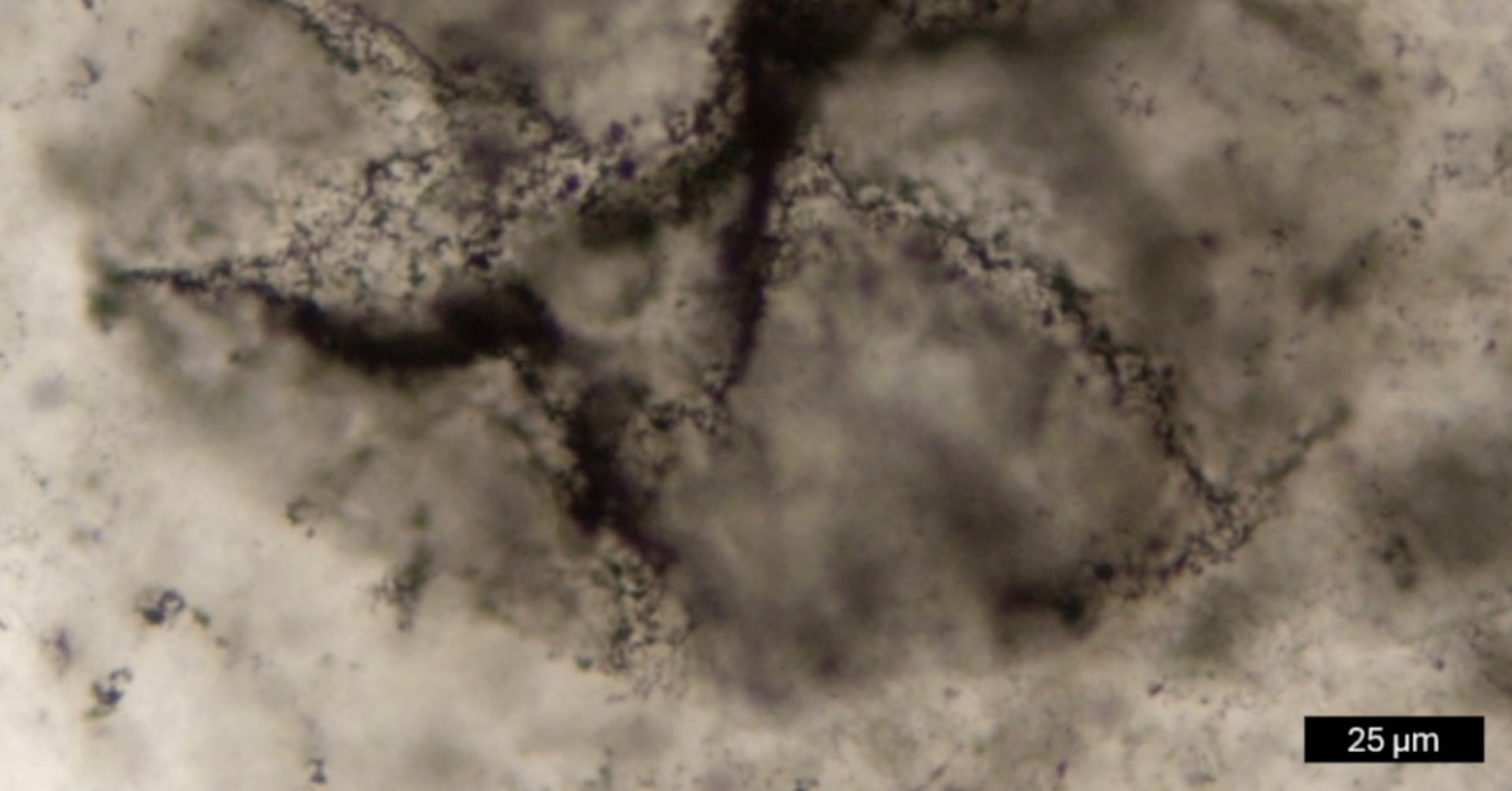
Life's Ancient Whispers: New Tech Finds 3.3B-Year-Old Signs

A groundbreaking method employing machine learning has allowed scientists to detect some of the oldest signs of life on Earth. This new technique analyzes chemical fingerprints within ancient rocks, achieving over 90% accuracy in distinguishing between biological and non-biological organic molecules. This approach has revealed evidence of microbial life in rocks approximately 3.3 billion years old.

Furthermore, the research identified molecular traces of oxygen-producing photosynthesis in rocks around 2.5 billion years old. This discovery suggests that this vital process was occurring much earlier than previously documented by similar evidence. The ability to discern these subtle chemical patterns is a significant advancement in paleontology.

trending

Mexico earthquake strikes Guerrero

trending

Flu shots best protection

trending

Simons scores 39 points

trending

HPV vaccine hesitancy rises

trending

Thompson leads Sabres victory

trending

Tucker signs with Dodgers

trending

Wembanyama returns, Spurs beat Bucks

trending

Jimmy Butler scores 32

trending

Sabres defeat Flyers 5-2

This innovative technique holds considerable promise for astrobiology, offering a new tool in the search for extraterrestrial life. Scientists are eager to apply this method to samples from Mars and other celestial bodies, potentially revolutionizing our understanding of life beyond Earth.

Disclaimer: This story has been auto-aggregated and auto-summarised by a computer program. This story has not been edited or created by the Feedzop team.
Scientists used machine learning to analyze chemical fingerprints in ancient rocks, distinguishing biological molecules with high accuracy.
The oldest signs of microbial life detected in South African rocks are approximately 3.3 billion years old.
Yes, this biosignature technique is highly promising for detecting evidence of life on Mars and other planets.

Read more news on

Scienceside-arrowMars (Planet)side-arrow

You may also like

AI Speeds Drug Discovery, Secures $25M

13 Jan • 16 reads

article image

NASA Seeks Mars Farmers: $750K Prize for Red Planet Food Plan

13 Jan • 12 reads

article image

Study: Same-Sex Acts Strengthen Primate Groups

12 Jan • 20 reads

article image

Animal Research Code Undergoing Major Overhaul

6 Jan • 59 reads

article image

Caribbean Reefs Revived by Coral IVF

16 Dec, 2025 • 158 reads

article image