Home / Science / How Octopuses Navigate Tight Spaces Revealed
How Octopuses Navigate Tight Spaces Revealed
6 Nov
Summary
- Octopuses use a flexible strategy to squeeze through openings.
- Their body structure and blood flow aid in contorting.
- This research could inspire versatile robot designs.
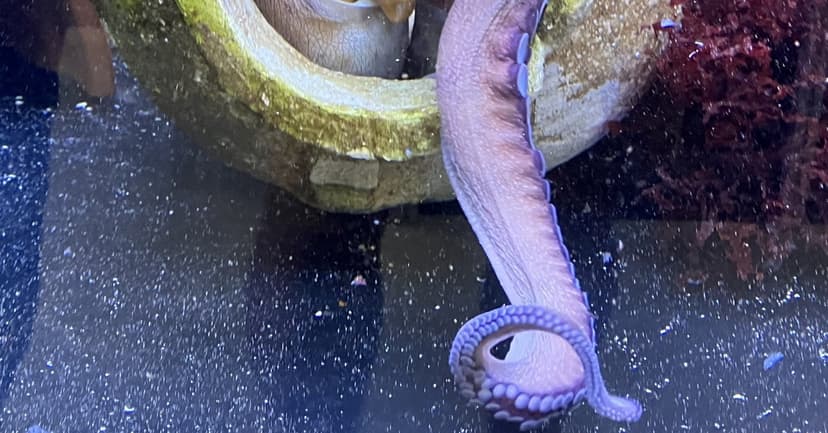
Researchers have elucidated the sophisticated methods octopuses employ to navigate extremely confined spaces, a capability that could significantly influence future robotic engineering. The study reveals that these marine invertebrates dynamically adjust their eight arms and soft bodies, employing a sequence of movements that changes based on the tightness of the opening.
Unlike creatures with rigid skeletons, octopuses possess a unique muscular hydrostat system, enabling remarkable flexibility. Their circulatory system also supports extensive contortions, ensuring blood flow even when parts of their body are constricted. This biological adaptation allows them to 'squeeze' through openings smaller than their own bodies.
Scientists observed two primary strategies: a three-step process for wider gaps and a four-step process for tighter apertures. This adaptability suggests that the octopus's beak may not be the sole limiting factor, but rather the size of its arms near the body. This research aims to inspire the development of more versatile robots for search and rescue or other tasks in confined areas.


