Home / Science / New Space Race: Moon Missions Spark Global Rivalry
New Space Race: Moon Missions Spark Global Rivalry
2 Dec, 2025
Summary
- Two new space alliances are forming to establish lunar presence.
- Russia and China are partnering for joint lunar missions.
- Geopolitics, not science, primarily drives the new moon race.
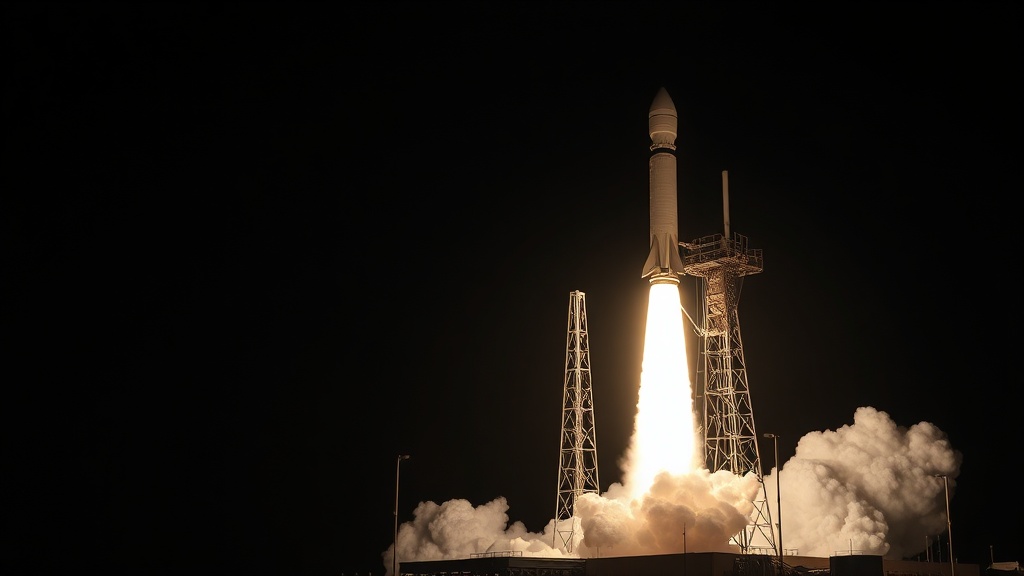
The International Space Station's impending retirement in 2030 signifies a pivotal transition, moving from decades of international cooperation to a splintering of global space ambitions. Two major alliances are now shaping the future of space exploration, with a particular focus on lunar missions.
One bloc consists of Russia and China, who are strengthening their partnership with plans for joint lunar missions and a shared research station. This collaboration is fueled by Russia's rocket capabilities and China's technological advancements. On the opposing side, the United States, Europe, Canada, and Japan are advancing their own lunar programs under the Artemis initiative, driven largely by geopolitical aims and a desire for continued leadership in space.
Both coalitions are pursuing a permanent human presence on and around the moon, developing independent infrastructure and operational plans. While the scientific potential and commercial incentives, such as mineral extraction and lunar logistics, are being explored, the overarching motivation appears to be geopolitical positioning and securing a stake in future lunar governance and resource allocation.