Home / Science / Ancient Seaweed Found: A 40-Year Quest Concludes
Ancient Seaweed Found: A 40-Year Quest Concludes
1 Aug
Summary
- A new seaweed species was discovered after a 40-year scientific search.
- The discovery was made in UK waters, specifically in maerl beds.
- The new species is scientifically named Ceramium ruenessianum.
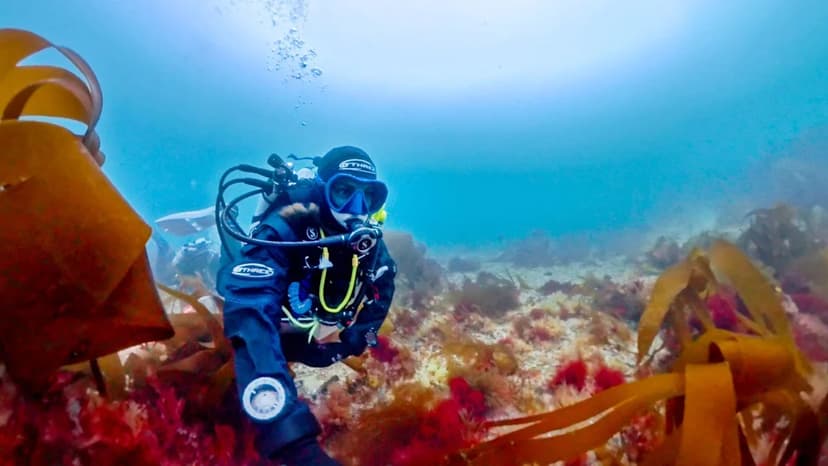
For over four decades, Professor Christine Maggs pursued a fleeting glimpse of a unique seaweed fragment found in UK waters. This elusive species, discovered living on maerl beds—rich habitats formed by calcified seaweed—has now been formally identified as new to science. The discovery, a culmination of persistent research and a recent find in Cornwall, adds Ceramium ruenessianum to the official collection at the Natural History Museum.
Maerl beds, while resembling coral, are intricate structures teeming with marine life. The recent identification of this small, pink-banded algae was made possible by advanced DNA sequencing, a process that took years to yield results. Researchers emphasize the critical role of these ancient seaweeds, not only for marine biodiversity but also for providing nurseries for economically important fish and potential medicinal properties.
Despite their ecological significance, maerl beds are a threatened habitat in Britain. While some sites are protected, areas off the Cornish coast, where the new species was found, currently lack formal protection. Discussions around conservation involve balancing ecological needs with wider priorities such as offshore wind development and fisheries, highlighting the ongoing debate surrounding habitat preservation.


