Home / Science / New Cell Type Linked to Enlarged Prostate Mystery
New Cell Type Linked to Enlarged Prostate Mystery
25 Oct
Summary
- A new subtype of basal cell, WIF1+, has been identified.
- These cells are abundant in the prostate's transition zone.
- WIF1+ cells may explain why the prostate enlarges with age.
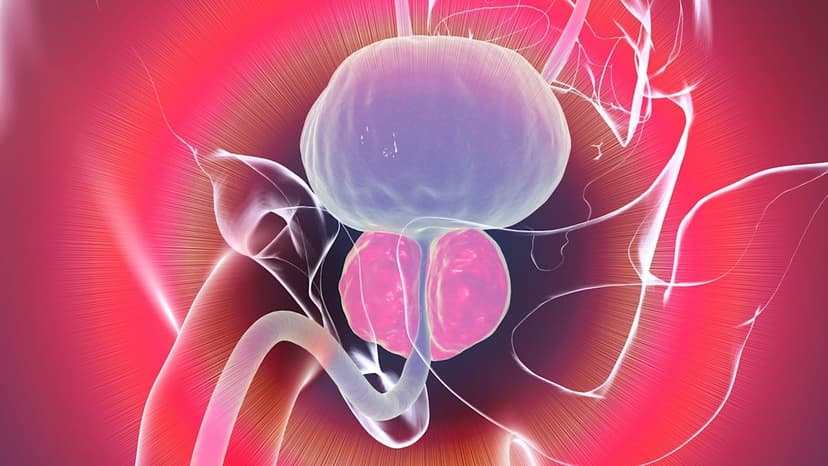
Researchers at Johns Hopkins University have identified a distinct subtype of basal cell, known as WIF1+, within the prostate. These cells are particularly concentrated in the transition zone, the region surrounding the urethra, and show enrichment in cases of benign prostatic hyperplasia (BPH). This finding offers a significant breakthrough in understanding why the prostate gland enlarges with age.
The WIF1+ cells exhibit a unique gene expression profile and appear to be involved in tissue remodeling. Scientists hypothesize that their presence and function could directly contribute to the pathogenesis of BPH, a condition affecting millions of men worldwide and leading to urinary difficulties. The research suggests these cells might also influence the lower incidence of prostate cancer in the transition zone.
Further investigation into the functional roles of WIF1+ basal cells is planned. If confirmed as key players in BPH development, they could represent promising targets for future therapeutic interventions aimed at managing prostate enlargement.


