Home / Science / Ethiopian Fossils Rewrite Human Family Tree
Ethiopian Fossils Rewrite Human Family Tree
8 Dec
Summary
- Australopithecus deyiremeda, a new hominin species, coexisted with Lucy's kind.
- Fossils suggest diverse bipedalism and distinct diets among early hominins.
- This discovery challenges Lucy's species as the sole direct human ancestor.
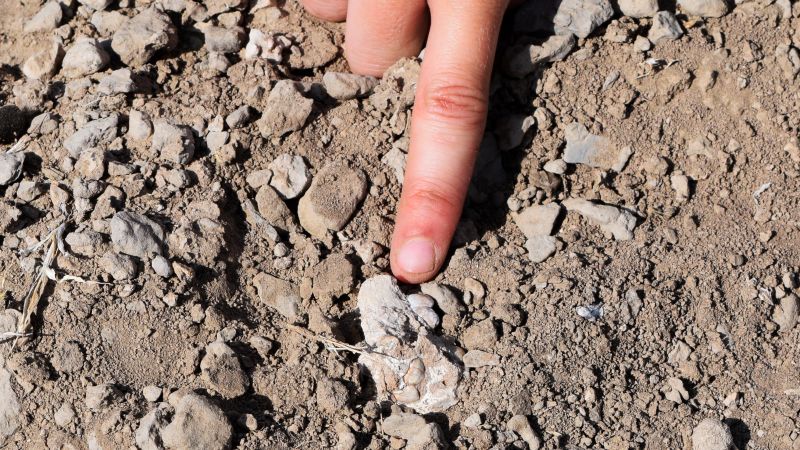
Paleoanthropologists have identified a new hominin species, Australopithecus deyiremeda, whose fossils were found in Ethiopia's Afar region. These 3.4 million-year-old remains, including the perplexing Burtele foot bones and a jawbone with teeth, suggest this species lived contemporaneously with the famed Australopithecus afarensis, known from the Lucy skeleton.
The study indicates that A. deyiremeda possessed unique locomotive adaptations, likely walking on its second toe, and consumed a diet of trees and shrubs, differing from Lucy's more varied food sources. This coexistence challenges the notion that Lucy's species was the only significant hominin present during that period.
These findings could significantly reshape the human evolutionary tree, suggesting that A. afarensis might not be the direct ancestor of all subsequent hominins, including Homo sapiens. Instead, A. deyiremeda and other species may have emerged from a common ancestor, presenting a more complex and bushier family tree.