Home / Science / Beyond Dopamine: Real Science on Why We Need Each Other
Beyond Dopamine: Real Science on Why We Need Each Other
12 Jan
Summary
- Social isolation significantly worsens stroke recovery and increases mortality risk.
- Chronic stress from loneliness elevates inflammation, harming organs and healing.
- Human brains evolved to seek connection for survival and well-being.
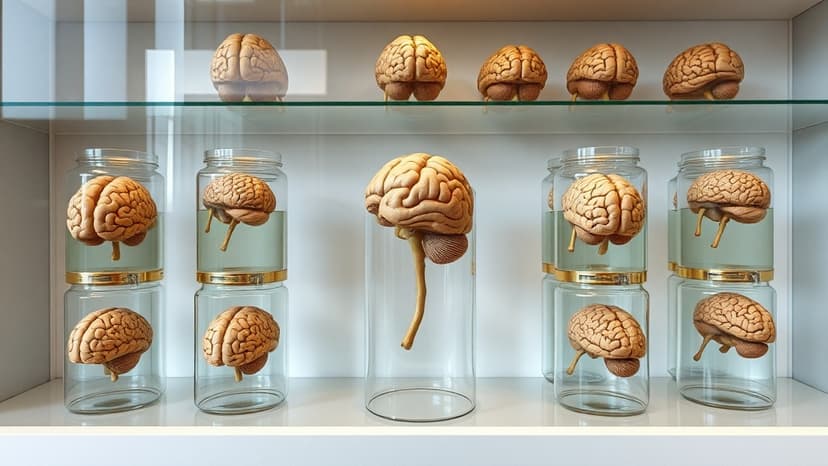
Neuroscientist Ben Rein emphasizes that social connection is crucial for physical and mental recovery. Isolation, whether from online detachment or a "post-interaction world," triggers a harmful stress response. This leads to elevated cortisol, which paradoxically suppresses inflammation initially but causes chronic inflammation with sustained isolation, impacting organ health and impeding healing processes.
Research shows isolated mice and humans experience worse stroke outcomes and higher mortality rates. In contrast, social interaction releases oxytocin, a hormone that combats inflammation, reduces stress, and aids wound healing. Studies indicate married individuals, with higher oxytocin levels, exhibit better cancer survival rates.
Rein argues our brains are evolutionarily designed to seek social bonds for survival, stimulating beneficial neurotransmitters like serotonin and dopamine. Despite this, modern life and online interactions hinder genuine connection. He advocates for prioritizing real-life interactions, even simple positive exchanges, to improve individual health and foster a more connected society.