feedzop-word-mark-logo
searchLogin
Feedzop
homeFor YouUnited StatesUnited States
You
bookmarksYour BookmarkshashtagYour Topics
Trending
trending

Sheinelle Jones TODAY co-host

trending

North Forsyth High stabbing

trending

Medline targets $55B valuation

trending

Champions League returns on NOW

trending

Michigan routs Villanova, 89-61

trending

NBA Cup Quarterfinals begin

trending

UConn Huskies face Florida

trending

Cher releases Christmas song

trending

California farm issues egg recall

Terms of UsePrivacy PolicyAboutJobsPartner With Us

© 2025 Advergame Technologies Pvt. Ltd. ("ATPL"). Gamezop ® & Quizzop ® are registered trademarks of ATPL.

Gamezop is a plug-and-play gaming platform that any app or website can integrate to bring casual gaming for its users. Gamezop also operates Quizzop, a quizzing platform, that digital products can add as a trivia section.

Over 5,000 products from more than 70 countries have integrated Gamezop and Quizzop. These include Amazon, Samsung Internet, Snap, Tata Play, AccuWeather, Paytm, Gulf News, and Branch.

Games and trivia increase user engagement significantly within all kinds of apps and websites, besides opening a new stream of advertising revenue. Gamezop and Quizzop take 30 minutes to integrate and can be used for free: both by the products integrating them and end users

Increase ad revenue and engagement on your app / website with games, quizzes, astrology, and cricket content. Visit: business.gamezop.com

Property Code: 5571

Home / Science / Neanderthals Didn't Go Extinct, They Merged with Humans

Neanderthals Didn't Go Extinct, They Merged with Humans

13 Nov

•

Summary

  • Neanderthal DNA found in modern humans
  • Gradual "genetic absorption" over 10,000-30,000 years
  • Smaller Neanderthal population led to their dominance by Homo sapiens
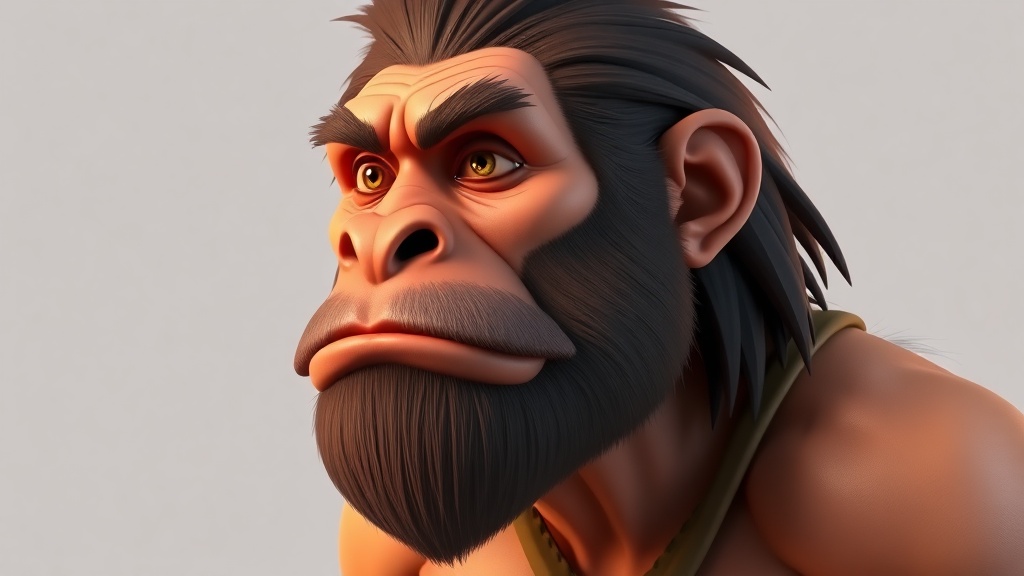
Neanderthals Didn't Go Extinct, They Merged with Humans

According to a study published in 2025, Neanderthals did not truly go extinct, but rather gradually merged with modern humans through interbreeding over thousands of years. The researchers found that Neanderthal DNA is still present in most non-Africans today, indicating a "genetic absorption" rather than complete extinction.

The study suggests that over a period of 10,000 to 30,000 years, Homo sapiens and Neanderthals bred and produced offspring together, leading to the gradual disappearance of the Neanderthal population. The smaller size of the Neanderthal population, estimated to be only a few thousand individuals, compared to the larger Homo sapiens population, may have contributed to their eventual dominance.

While other factors like environmental change and competition for resources may have played a role, the researchers argue that the "genetic admixture" between the two species was a key mechanism driving the Neanderthals' disappearance. This provides a plausible explanation for the gradual decline of Neanderthals, rather than a sudden "catastrophic climatic event" as some had proposed.


Disclaimer: This story has been auto-aggregated and auto-summarised by a computer program. This story has not been edited or created by the Feedzop team.
Neanderthals did not truly go extinct, but rather gradually merged with modern humans through interbreeding over thousands of years, leaving their DNA in most non-Africans today.
Homo sapiens and Neanderthals bred and produced offspring together over a period of 10,000 to 30,000 years, leading to the gradual disappearance of the Neanderthal population.
The smaller size of the Neanderthal population, estimated to be only a few thousand individuals, compared to the larger Homo sapiens population, may have contributed to their eventual dominance.

Read more news on

Scienceside-arrow

You may also like

Lost Bronze Age Culture Discovered in Turkey

9 hours ago • 4 reads

article image

Ethiopian Fossils Rewrite Human Family Tree

1 day ago • 9 reads

article image

Humans Rank 7th in Monogamy, Beavers Lead!

9 hours ago • 4 reads

article image

Urban Raccoons Show Signs of Pet-Like Evolution

24 Nov • 76 reads

article image

Kissing: Older Than Humans, Older Than You Think!

22 Nov • 50 reads

article image