Home / Science / Neanderthal Spear Death: Earliest Murder Evidence?
Neanderthal Spear Death: Earliest Murder Evidence?
15 Oct
Summary
- Neanderthal died 75,000 years ago from a spear wound to the chest.
- Evidence suggests possible homicide, an early example of human violence.
- The individual also showed signs of long-term care from their group.
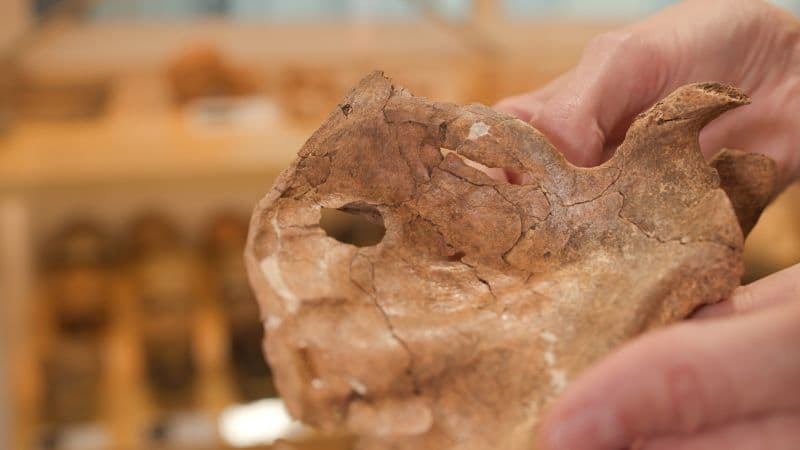
Approximately 75,000 years ago, a Neanderthal named Shanidar A met a violent end, pierced by a sharpened wooden spear. Discovered in Iraq's Shanidar Cave, the wound's trajectory suggests it penetrated the chest, likely causing instant death and marking a possible early homicide. This discovery offers crucial insights into Neanderthal existence.
Excavations in 2019 and 2022 uncovered Shanidar A's shoulder blade, ribs, hand, and teeth. Analysis indicates the spear caused a fatal chest wound. Earlier in life, this individual suffered facial trauma, evidenced by a split tooth, yet survived for an extended period.
This survival implies care from other Neanderthals, perhaps through softened food. Such evidence challenges perceptions of Neanderthals as solely brutish. It adds to findings of social support, including a deaf and partially blind Neanderthal who lived to old age.
Shanidar A's remains may represent the oldest known death by a wooden spear. While other ancient hominin violence exists, this case is significant. Further research aims to determine if the wound resulted from an intentional act, deepening our understanding of Neanderthal social dynamics and violence.


