Home / Science / NASA's Radar Captures Antarctic "Hummingbird"
NASA's Radar Captures Antarctic "Hummingbird"
24 Jul
Summary
- NISAR's radar captured a detailed image of Antarctica resembling a hummingbird.
- Radar colors indicate differences in signal reflection off snow, ice, and rock.
- NISAR monitors Earth's surface changes, including ice movement and land deformation.
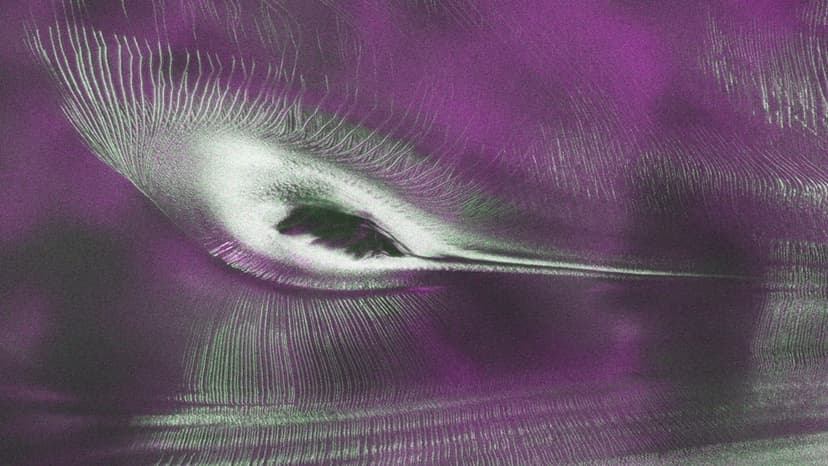
NASA has unveiled a stunning radar image of Antarctica, captured by the NISAR satellite, which strikingly resembles a hummingbird. This early observation from NISAR's L-band radar instrument reveals the fractured and barren Antarctic surface in remarkable detail. The satellite utilizes microwave radar, rather than optical signals, to study Earth's surface, enabling data collection even under adverse conditions.
The unique colors in the image signify different ways polarized microwave signals interact with and reflect off the terrain. Magenta hues indicate signals bouncing off smoother ice surfaces, while green areas suggest signals penetrating or scattering off irregular features like crevasses. White areas denote a combination of both surface and volume scattering.
In contrast to conventional optical views, which appear almost entirely white, NISAR's radar image provides a much richer perspective on the Antarctic landscape. The NISAR mission, a collaboration between NASA and the Indian Space Research Organisation (ISRO), is designed to monitor dynamic changes on Earth's surface, such as ice flow, land deformation, and vegetation shifts.


