Home / Science / NASA Drones Brave Death Valley Heat for Mars Tech
NASA Drones Brave Death Valley Heat for Mars Tech
4 Dec, 2025
Summary
- NASA tested autonomous flight software in Death Valley's extreme heat.
- The tests aimed to prevent future Mars helicopter failures like Ingenuity's.
- Improved algorithms and camera filters enhance drone navigation on Mars.
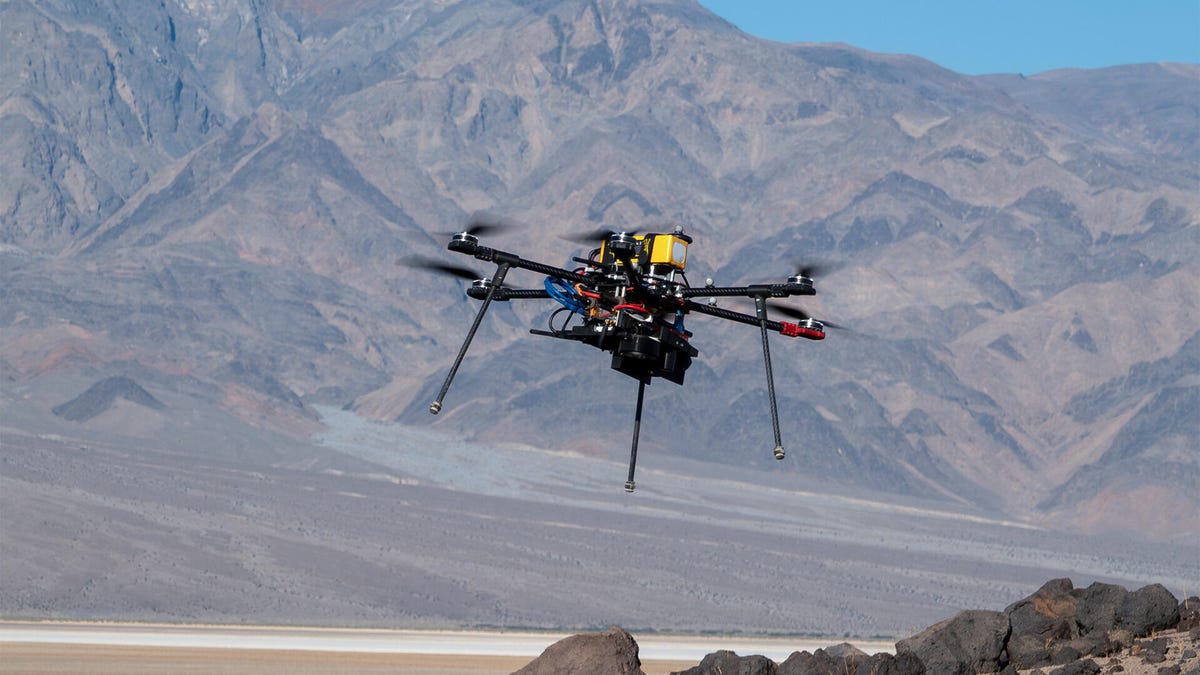
NASA scientists recently braved the extreme conditions of Death Valley, with temperatures soaring to 113 degrees Fahrenheit, to test new autonomous flight software for future Mars missions. This critical testing follows the 2024 failure of the Ingenuity Mars Helicopter, which was attributed to difficulties discerning flat terrain from sand dunes. The research aims to develop more versatile drones capable of navigating challenging Martian landscapes.
Death Valley has long served as a testing ground for NASA technologies since the 1970s. This particular expedition focused on the Extended Robust Aerial Autonomy software, designed to enhance drone performance over diverse terrains. The JPL team's use of research drones in Death Valley required a special license, marking only the third instance of such permission being granted.