feedzop-word-mark-logo
searchLogin
Feedzop
homeFor YouUnited StatesUnited States
You
bookmarksYour BookmarkshashtagYour Topics
Trending
Terms of UsePrivacy PolicyAboutJobsPartner With Us

© 2026 Advergame Technologies Pvt. Ltd. ("ATPL"). Gamezop ® & Quizzop ® are registered trademarks of ATPL.

Gamezop is a plug-and-play gaming platform that any app or website can integrate to bring casual gaming for its users. Gamezop also operates Quizzop, a quizzing platform, that digital products can add as a trivia section.

Over 5,000 products from more than 70 countries have integrated Gamezop and Quizzop. These include Amazon, Samsung Internet, Snap, Tata Play, AccuWeather, Paytm, Gulf News, and Branch.

Games and trivia increase user engagement significantly within all kinds of apps and websites, besides opening a new stream of advertising revenue. Gamezop and Quizzop take 30 minutes to integrate and can be used for free: both by the products integrating them and end users

Increase ad revenue and engagement on your app / website with games, quizzes, astrology, and cricket content. Visit: business.gamezop.com

Property Code: 5571

Home / Science / NASA Budget Saved: Congress Rejects Trump Cuts

NASA Budget Saved: Congress Rejects Trump Cuts

5 Jan

•

Summary

  • Congress approved a $24.438 billion budget for NASA in fiscal 2026.
  • The budget largely rejects significant cuts proposed by the Trump administration.
  • Key programs like Earth science and astrophysics funding remain stable.
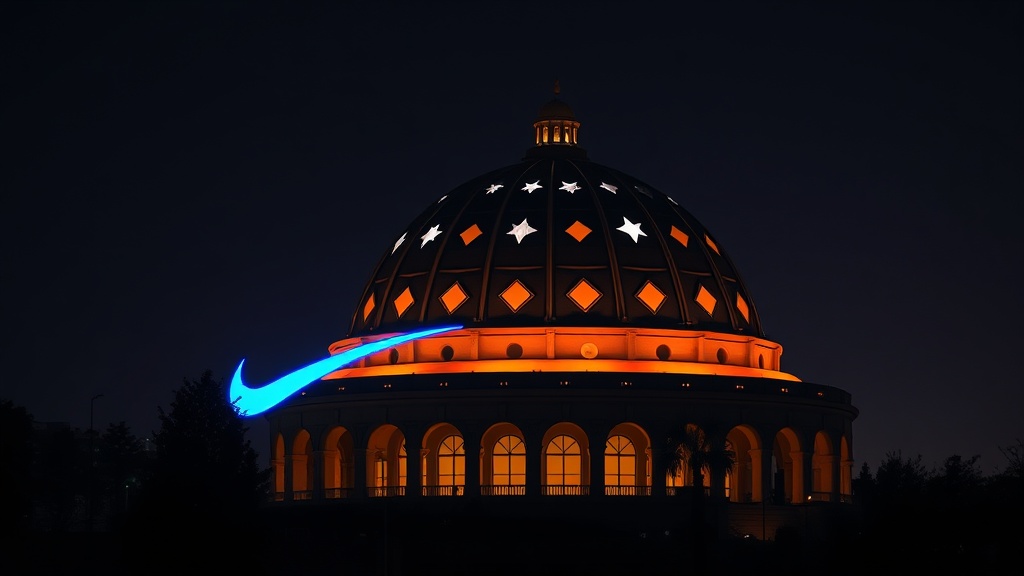
NASA Budget Saved: Congress Rejects Trump Cuts

House and Senate appropriators have unveiled a final appropriations bill for fiscal year 2026 that largely shields NASA from steep budget cuts proposed by the Trump administration. The package designates $24.438 billion for the agency, a slight decrease from previous years but significantly more than the administration's $18.8 billion request.

The administration's budget had sought drastic reductions, particularly in science and space technology, and proposed canceling dozens of missions. However, the new bill provides substantial funding for NASA's science directorate at $7.25 billion and space technology at $920.5 million. Exploration funding is also supported, with $7.783 billion allocated to advance the Artemis Campaign, aiming for a human lunar return by 2028.

trending

Mississippi shooting: six killed

trending

Instagram password reset cyberattack

trending

NFL playoff games schedule

trending

Michael McKee arrested for murder

trending

Timberwolves beat Cavaliers 131-122

trending

Bears-Packers wind concern

trending

Burglar killing: Self-defense claim?

trending

Nebraska beats Indiana, extends streak

trending

Duke defeats SMU

While some administrative accounts are reduced, the legislation preserves NASA's education program (STEM Engagement) with $143 million. Specific allocations within the science account include $2.15 billion for Earth science and $1.6 billion for astrophysics, maintaining levels close to fiscal 2025. This bipartisan agreement ensures NASA's key missions and future exploration endeavors are adequately resourced.

Disclaimer: This story has been auto-aggregated and auto-summarised by a computer program. This story has not been edited or created by the Feedzop team.
NASA's budget for fiscal year 2026 is set at $24.438 billion.
No, Congress largely rejected the steep cuts proposed by the Trump administration for NASA's fiscal year 2026 budget.
Yes, the fiscal year 2026 appropriations bill provides sufficient funding to support the Artemis Campaign and the goal of returning humans to the moon.

Read more news on

Scienceside-arrowNASAside-arrow

You may also like

Artemis 2 Moon Mission Blastoff Nears!

3 hours ago • 8 reads

article image

ISS Crew Evacuated for First Time Due to Medical Emergency

3 hours ago • 14 reads

article image

Artemis II: Humans Return to Lunar Orbit in 2026

1 Jan • 40 reads

article image

Canoo Vans Idle: NASA & USPS Halt Use of Bankrupt EV

9 Dec, 2025 • 146 reads

article image

NASA Reveals 3I/ATLAS: Comet or Alien Craft?

18 Nov, 2025 • 243 reads

article image