Home / Science / Nasal Drops Promise Youthful Memory in Aged Mice
Nasal Drops Promise Youthful Memory in Aged Mice
18 Nov
Summary
- Experimental nasal drops use mRNA technology for cognitive enhancement.
- Nasal delivery bypasses the blood-brain barrier to reach the nervous system.
- Treatment significantly increased learning and memory in aged mice.
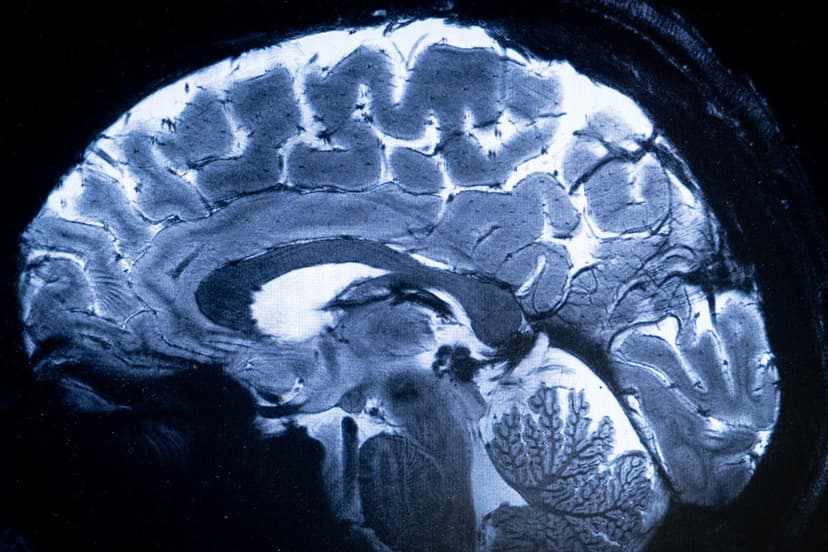
Researchers at the University of Sydney have pioneered experimental nasal drops utilizing mRNA technology to potentially combat cognitive decline associated with aging and Alzheimer's disease.
The drug, delivered in fat nanoparticles, transforms nasal cells into a factory for producing medically active proteins. This method effectively bypasses the challenging blood-brain barrier, a common obstacle in neurological drug development.
In studies with aged mice, these nasal drops led to significant improvements in learning and memory, restoring cognitive abilities to those of younger animals. The treatment also showed promise in mice genetically modeled for Alzheimer's, preventing severe cognitive decline.
This preclinical research suggests the therapy supports neuron health rather than clearing amyloid plaques, potentially complementing existing treatments. While promising, scientists emphasize that human trials are necessary to determine efficacy in people.


