Home / Science / Moringa Seeds: A Natural Solution to Microplastic Water Pollution
Moringa Seeds: A Natural Solution to Microplastic Water Pollution
22 Apr
Summary
- Moringa seed extract effectively coagulates microplastics in water.
- It performs comparably to, and sometimes better than, aluminum sulfate.
- The natural extract offers a sustainable alternative to chemical coagulants.
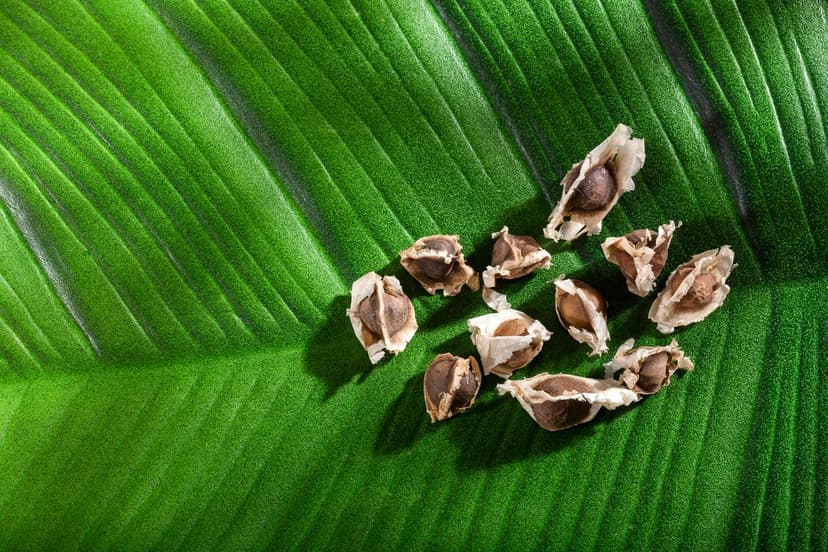
Scientists have discovered that the seeds of the "miracle tree," moringa, can be harnessed to address microplastic water contamination. A saline extract derived from these seeds has demonstrated efficacy in coagulating microplastics, a crucial step in water purification processes. This natural coagulant functions similarly to aluminum sulfate, a chemical widely used in treatment plants.
Research indicates that the moringa seed extract can even outperform aluminum sulfate in more alkaline water conditions. Traditional chemical coagulants, such as aluminum- and iron-based compounds, face increasing scrutiny due to their non-biodegradability and potential toxicity. The moringa extract presents a promising, sustainable alternative, neutralizing the negative charge of microplastics and enabling their removal through filtration.
Experiments involving water contaminated with polyvinyl chloride (PVC) microplastics, including artificially aged particles, yielded comparable results to treatments using aluminum sulfate. The moringa-based method proved highly effective in removing these harmful particles. Ongoing tests with river water suggest the extract is also effective in treating natural water sources.


