Home / Science / Moon Shrinking: New Cracks Reveal Lunar Instability
Moon Shrinking: New Cracks Reveal Lunar Instability
19 Feb
Summary
- Over 1,100 new cracks discovered on the moon's surface.
- Moon's interior cooling causes it to contract and reshape.
- Shrinking moon poses risks of quakes for future astronauts.
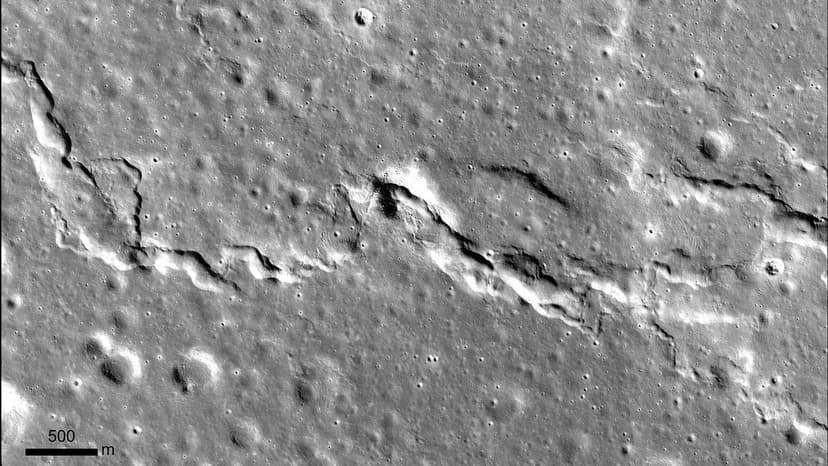
Scientists have identified more than 1,100 new cracks on the lunar surface, confirming that the moon is actively shrinking and reshaping. These newly discovered features, termed 'small mare ridges' (SMRs), are found in the vast, dark plains known as the lunar maria. This discovery adds to the over 1,500 previously known 'lobate scarps' found in the lunar highlands. Both types of features are relatively young geological formations, dating back approximately 124 million and 105 million years, respectively.
The moon's gradual contraction is attributed to its cooling interior, causing its surface to compress and create these distinctive landforms. This ongoing geological activity has significant implications for future lunar exploration. Researchers caution that the prevalence of these ridges suggests potential hazards from moonquakes, posing a risk to astronauts and lunar infrastructure.
Upcoming lunar missions, such as NASA's Artemis program, which aims to land humans on the moon by 2028, will benefit from a better understanding of lunar tectonics and seismic activity. The findings emphasize the moon's dynamic nature and the importance of considering these seismic risks for the safety and success of future space endeavors.