feedzop-word-mark-logo
searchLogin
Feedzop
homeFor YouUnited StatesUnited States
You
bookmarksYour BookmarkshashtagYour Topics
Trending
Terms of UsePrivacy PolicyAboutJobsPartner With Us

© 2026 Advergame Technologies Pvt. Ltd. ("ATPL"). Gamezop ® & Quizzop ® are registered trademarks of ATPL.

Gamezop is a plug-and-play gaming platform that any app or website can integrate to bring casual gaming for its users. Gamezop also operates Quizzop, a quizzing platform, that digital products can add as a trivia section.

Over 5,000 products from more than 70 countries have integrated Gamezop and Quizzop. These include Amazon, Samsung Internet, Snap, Tata Play, AccuWeather, Paytm, Gulf News, and Branch.

Games and trivia increase user engagement significantly within all kinds of apps and websites, besides opening a new stream of advertising revenue. Gamezop and Quizzop take 30 minutes to integrate and can be used for free: both by the products integrating them and end users

Increase ad revenue and engagement on your app / website with games, quizzes, astrology, and cricket content. Visit: business.gamezop.com

Property Code: 5571

Home / Science / Microplastic Threat Lower Than Feared, Study Finds

Microplastic Threat Lower Than Feared, Study Finds

21 Jan

•

Summary

  • New estimates suggest microplastic emissions are 10,000 times lower than previously thought.
  • Land sources contribute 20 times more microplastic particles to the air than seas.
  • Unknown safe exposure levels mean microplastic concerns persist despite lower estimates.
Microplastic Threat Lower Than Feared, Study Finds

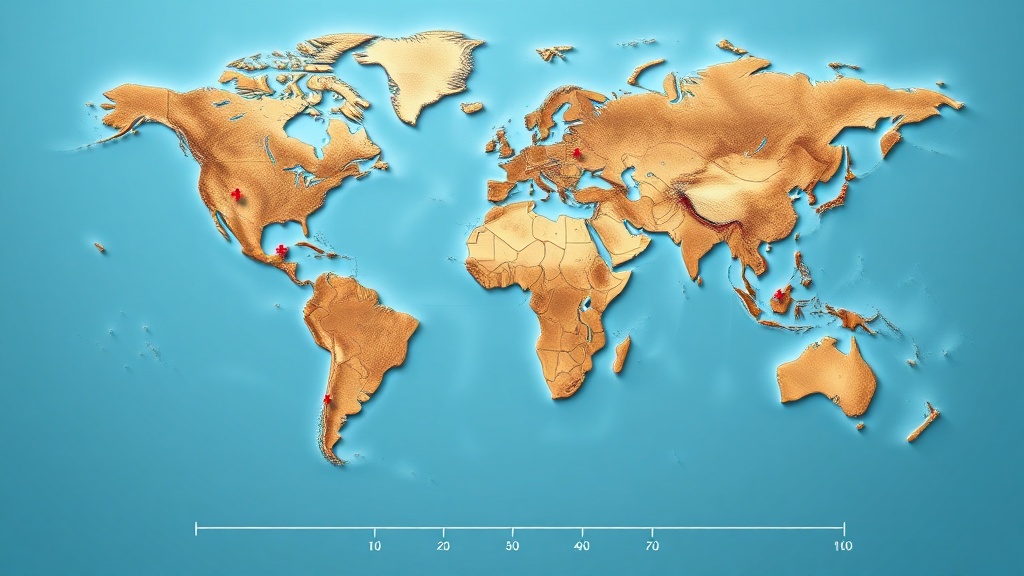
New research from the University of Vienna offers a significantly revised outlook on microplastic emissions, suggesting they are up to 10,000 times lower than earlier estimates.

The study combined over 2,700 measurements from 283 locations globally between 2014 and 2024. This comprehensive data set revealed that land sources are far more significant emitters of microplastics into the atmosphere, contributing 20 times more particles than marine environments.

These revised figures, published in Nature, indicate total annual land emissions of approximately six hundred ten quadrillion particles, with marine sources contributing twenty-six quadrillion. Previously, estimates relied on limited regional data, often from the Western USA.

trending

North Carolina winter storm emergency

trending

DC region snowstorm threat

trending

Sinner into Australian Open

trending

D.C. weekend winter storm

trending

Extreme cold watch issued

trending

Coldest air impacts New Hampshire

trending

Zimmerman girl missing

trending

Pittsburgh area winter storm

trending

Pittsburgh schools delayed or closed

Despite the reduction in estimated emissions, researchers stress that the threat is not eliminated. The long-term health effects of microplastic exposure are still not fully understood, and safe limits have not been established. Furthermore, scientists anticipate that microplastic emissions may increase in the future.

Disclaimer: This story has been auto-aggregated and auto-summarised by a computer program. This story has not been edited or created by the Feedzop team.
Yes, a new study from the University of Vienna estimates global microplastic emissions to be up to 10,000 times lower than previous studies suggested.
Land sources, such as vehicle wear and plastic breakdown, contribute 20 times more microplastic particles to the air than marine sources like sea spray.
Yes, scientists emphasize that safe exposure levels are unknown, and potential health impacts of microplastics remain a concern.

Read more news on

Scienceside-arrow

You may also like

Cow Uses Tools to Scratch Itch, Astounding Scientists

20 Jan • 10 reads

article image

Gifted Dogs Master New Words Just By Listening

9 Jan • 49 reads

article image

Europe's Chemical Giants Brace for Shakeup Amid Global Shifts

25 Dec, 2025 • 136 reads

article image

Kea Outsmart Cockatoos in Surprise Test

23 Dec, 2025 • 110 reads

article image

MIT Prof Shooting: Link to Brown Campus Tragedy?

19 Dec, 2025 • 210 reads

article image