Home / Science / Microlightning Ignites Methane, Solving Ancient Marsh Lights Mystery
Microlightning Ignites Methane, Solving Ancient Marsh Lights Mystery
1 Oct, 2025
Summary
- Scientists believe they have solved the centuries-old mystery of will-o'-the-wisps
- Spontaneous electrical discharges called "microlightning" can ignite methane in water
- Findings provide a "physically grounded explanation" for the occurrence of ignis fatuus
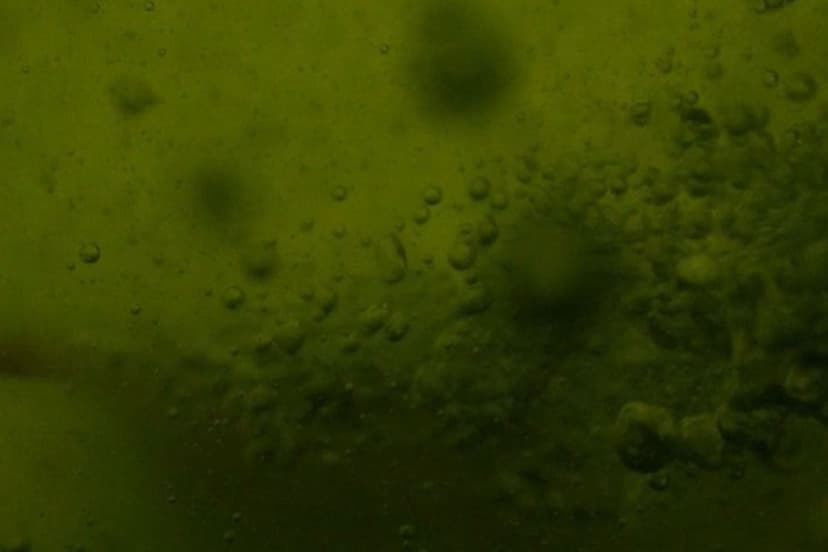
In a groundbreaking discovery, scientists believe they have solved the centuries-old mystery behind will-o'-the-wisps – the "ghostly" blue flames sometimes seen at night over marshes, wetlands and even cemeteries.
The researchers have found that spontaneous electrical discharges, dubbed "microlightning," can occur between rising methane-containing microbubbles in water. These brief, sub-millisecond flashes provide the energy needed to ignite the methane and form a will-o'-the-wisp.
Previous theories suggested that will-o'-the-wisps, also known as ignis fatuus, result from cool flames of methane. However, the activation energy required for methane oxidation was considered too high for passive ignition in nature. The new discovery offers a "physically grounded explanation" for this phenomenon.
In their experiments, the scientists introduced methane-air bubbles into water and observed the brief flashes between adjacent bubbles under dense bubbling conditions. They used advanced techniques like high-speed imaging and mass spectrometry to analyze the chemical and thermal changes during the process.
The findings demonstrate that these transient electrical discharges at gas-water interfaces can mediate redox chemistry, expanding our understanding of the role of interfacial phenomena in natural and engineered systems.


