


Home / Science / Mammal Ancestors Laid Eggs: Fossil Proof Found!
Mammal Ancestors Laid Eggs: Fossil Proof Found!
15 Apr
Summary
- Fossilized Lystrosaurus embryo confirms mammal ancestors laid eggs.
- Fossil found in South Africa sheds light on ancient survival.
- Egg-laying trait links mammal ancestors to modern reptiles.
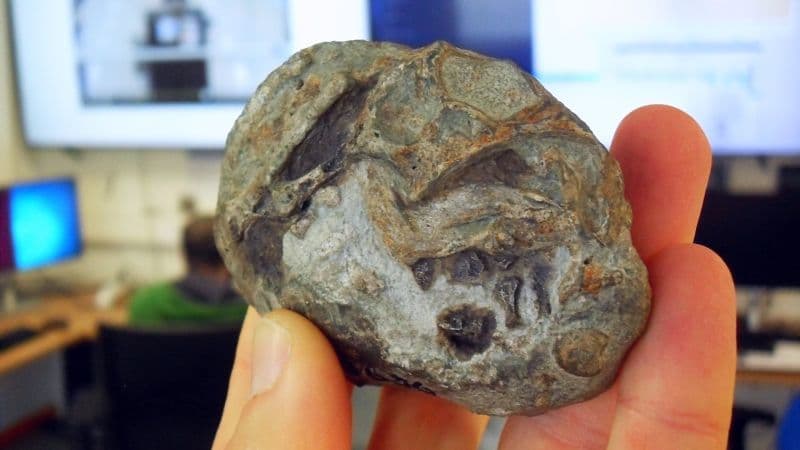
A significant fossil discovery in South Africa has confirmed that mammal ancestors laid eggs, marking a milestone in evolutionary research. The fossilized embryo, belonging to a Lystrosaurus, a species known for surviving the Great Dying extinction event 252 million years ago, exhibits unfused jaw structures. This trait, observed in modern bird and turtle embryos, provides conclusive evidence that the Lystrosaurus embryo was developing within an egg. These eggs, characterized by soft, leathery shells, lost less water than those of other species, offering a crucial survival advantage in the arid environments of the Permian period.
The Lystrosaurus's ability to lay relatively large eggs also meant that hatchlings were well-developed and could fend for themselves, contributing to their survival. This discovery has implications for understanding the evolution of lactation, suggesting it may have initially evolved to keep leathery eggs moist rather than solely for nourishing offspring. Researchers anticipate further study into the origins of lactation and viviparity to deepen our understanding of mammalian success.
