Home / Science / Estuary's Ecological Collapse: Invasive Species Take Over
Estuary's Ecological Collapse: Invasive Species Take Over
18 Feb
Summary
- Invasive species have drastically altered the Veli-Akkulam estuary's food web.
- Decades of invasion have shifted the estuary to a simplified, invasion-dominated ecosystem.
- Urgent ecosystem management is needed to control invasive species and restore habitats.
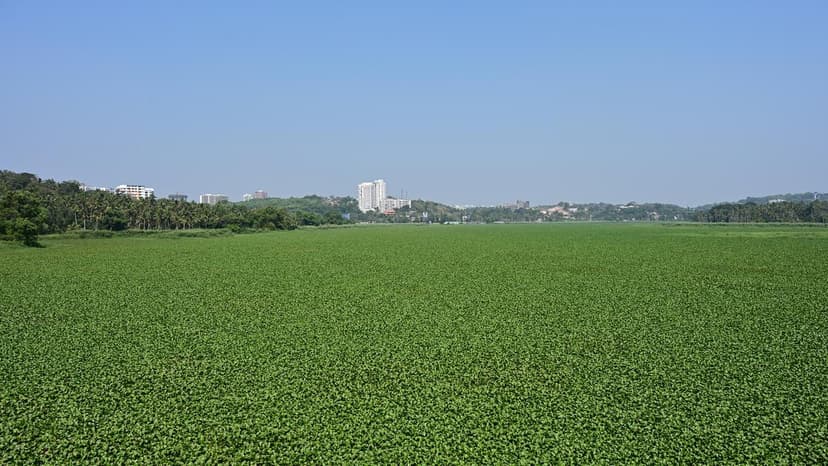
A three-decade study by the University of Kerala has documented a severe ecological decline in the Veli-Akkulam estuary. Invasive species, including Mozambique and Nile tilapias, have profoundly altered the estuary's food web and energy flow. Once a moderately organized system, it has transformed into a highly productive yet structurally simplified ecosystem dominated by invasions.
These changes, driven by eutrophication and altered hydrology, have weakened top-down ecological controls and compressed the trophic hierarchy. The proliferation of invasive fish and other exotic species has led to the loss of native fish populations and a shift towards a less resilient, detritus-driven network. This ecological restructuring jeopardizes biodiversity and vital services like fisheries and water quality.
Researchers emphasize that these biological invasions represent ecosystem-level transformations. Without urgent, ecosystem-based management, including invasive species control, habitat restoration, and catchment interventions, the estuary faces irreversible collapse. This vital wetland requires targeted strategies to regain a balanced and self-sustaining ecological state.