Home / Science / Jellyfish Sleep: DNA Repair Key to Ancient Life
Jellyfish Sleep: DNA Repair Key to Ancient Life
27 Jan
Summary
- Jellyfish and anemones exhibit sleep-like behavior, repairing DNA.
- Sleep in simple invertebrates suggests its ancient origin predates brains.
- DNA repair during rest is a fundamental function of sleep.

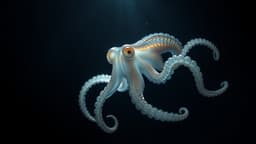
A recent study published in Nature Communications has uncovered that simple invertebrates, such as jellyfish and sea anemones, enter sleep-like states to perform essential cellular repair. These creatures, belonging to a lineage over 500 million years old, show a significant reduction in neural activity during rest periods, during which damage to their DNA accumulates during wakefulness is repaired. This discovery pushes back the evolutionary origins of sleep to before the divergence of major animal groups, suggesting that sleep's fundamental purpose is cellular maintenance.
Researchers observed that nerve cells in jellyfish and anemones experienced increased DNA breaks after periods of activity. During their respective rest phases, these breaks were mended, mirroring processes previously observed only in vertebrates. The study also indicated that melatonin, a hormone associated with sleep in animals with brains, influences these brainless creatures to rest, suggesting an even earlier evolution of sleep's regulatory mechanisms. This research strengthens the hypothesis that sleep began as a vital cellular defense strategy.
The implications of these findings are significant, potentially resolving long-standing debates about sleep's purpose. While more complex functions like memory consolidation may have been added later, the core role of sleep appears to be safeguarding DNA integrity in neurons. This nightly repair window may have been crucial for the survival of ancient organisms, preventing mutations that could lead to loss of function. Future research aims to confirm these findings across various marine environments and species.