Home / Science / MIT Scientists Create 'Mini Livers' for Injection
MIT Scientists Create 'Mini Livers' for Injection
4 Mar
Summary
- Scientists developed injectable mini livers to support failing organs.
- Early mouse studies show engineered tissue provides booster function.
- This innovation could aid thousands awaiting liver transplants.
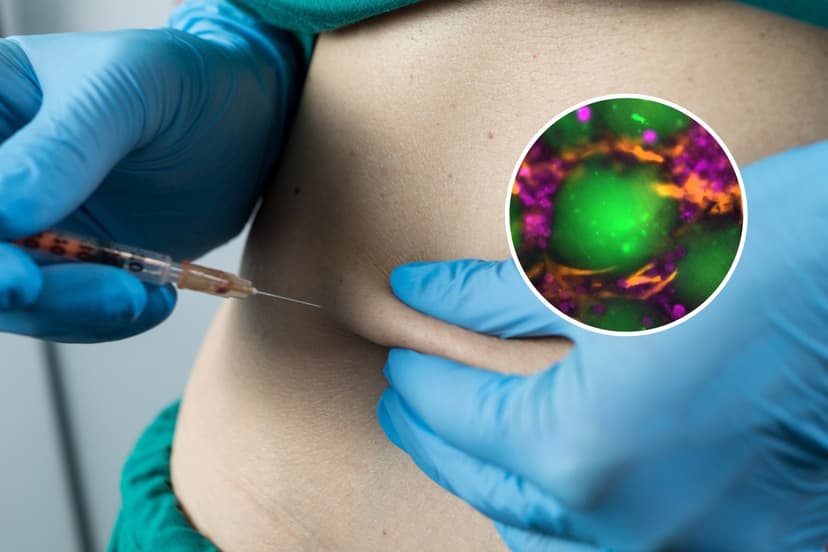
Researchers at the Massachusetts Institute of Technology (MIT) have successfully created "mini livers" designed for injection, offering a novel approach to treating liver disease. These engineered tissues are designed to assist failing livers by providing essential functions. In initial studies involving mice, these injected "satellite livers" successfully generated key liver enzymes and proteins, remaining viable in the body for at least two months.
The innovative method involves injecting hepatocytes along with hydrogel microspheres. These spheres help the cells aggregate and form connections with blood vessels, enabling the graft to integrate with the host. Once injected, the microspheres transition from a liquid-like state to a solid structure, creating a stable tissue graft. The addition of supportive fibroblasts further enhances hepatocyte survival and vascularization.
This injectable technology presents an alternative to traditional liver transplants and could serve as a bridge for patients awaiting donor organs. It may also benefit individuals ineligible for surgery due to health concerns. While current versions require immunosuppressants, future adaptations aim for immune-evading cells or localized immunosuppression. The research, published in Cell Biomaterials, marks a significant step towards less invasive liver disease therapies.