Home / Science / Ancient City Vanished: Climate Clues Reveal Indus Downfall
Ancient City Vanished: Climate Clues Reveal Indus Downfall
30 Nov
Summary
- Advanced Indus Valley civilization vanished mysteriously.
- Four intense, centuries-long droughts caused population shifts.
- Droughts dried waterways, impacting agriculture and settlements.
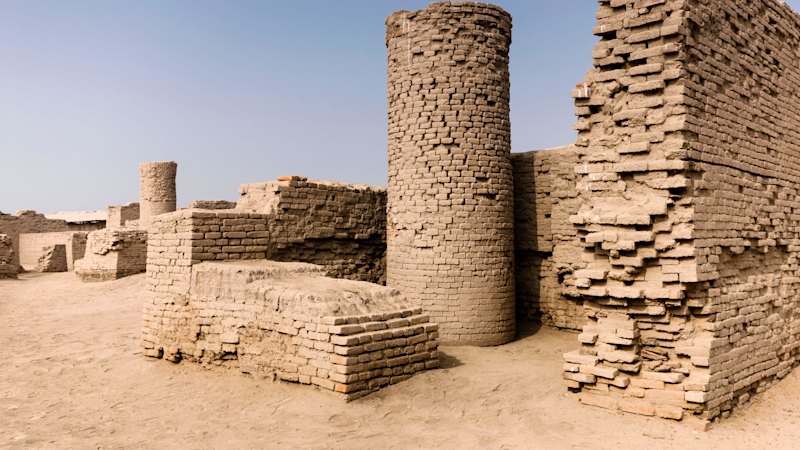
The once-thriving Indus River Valley civilization, a society boasting gridded streets and advanced sanitation, vanished leaving few signs of conflict. This ancient culture, comparable to Mesopotamia and Egypt, traded extensively and developed sophisticated infrastructure.
Recent scientific research, utilizing paleoclimate data and computer models, points to severe environmental challenges as the cause of its disappearance. The study found that repeated and intensifying droughts lasting for centuries, rather than a singular catastrophic event, significantly impacted the civilization.
These prolonged droughts reduced rainfall, dried up vital waterways, and depleted fertile soils. Scientists believe this environmental degradation was the primary driver forcing the Harappan people to frequently relocate, ultimately leading to the civilization's decline.