Home / Science / Ice Age Toad Unearthed in LA Tar Pits
Ice Age Toad Unearthed in LA Tar Pits
5 Aug
Summary
- First extinct ice age amphibian discovered in Los Angeles.
- Fossils of a new spadefoot toad species, Spea labreae, found.
- Amphibian fossils offer insights into prehistoric LA climate.
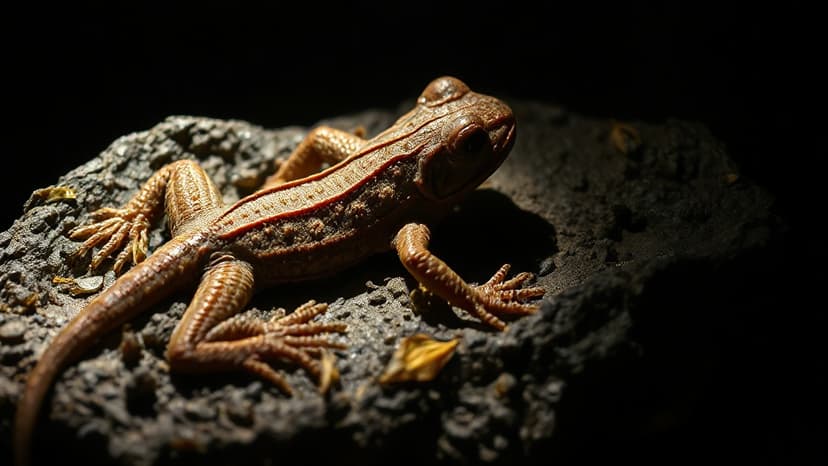
In Los Angeles, the famed La Brea Tar Pits have yielded a significant paleontological discovery: the first extinct ice age amphibian found in the area. Researchers identified fossils of a new spadefoot toad species, named Spea labreae, within a collection excavated in 1929. These tiny, fragile bones, fragments of the sacro-urostyle, had been overlooked until their study in 2023.
The discovery of Spea labreae is remarkable, as it is only the second extinct Pleistocene amphibian ever found in North America. Amphibian fossils are rare due to their small size and fragility, but the tar pits provide exceptional preservation conditions, protecting them from decay and environmental factors. The two unearthed fossils, each about 1 centimeter long, were distinguished by their unique axe-shaped sacro-urostyle.
Beyond identifying a new species, these amphibian remains offer a window into Los Angeles' prehistoric climate. Amphibians are highly sensitive to environmental conditions, making their fossils crucial for understanding past climates and informing future conservation strategies through conservation paleobiology. The presence of a Mexican burrowing toad fossil also suggests the region once had wetter, forest-like conditions.
This finding, which doubles the count of known extinct ice age North American amphibians, underscores the importance of studying small fossils. Early excavations often prioritized larger specimens, leaving smaller remains overlooked. Scientists believe further exploration of such collections may reveal more about ancient ecosystems and climate.


