Home / Science / 50 Years Later: Humanity's Lunar Return
50 Years Later: Humanity's Lunar Return
13 Feb
Summary
- Political will is crucial for funding complex, long-term space missions.
- Artemis program aims for sustainable lunar presence, unlike Apollo.
- New lunar missions face geopolitical rivalry, especially with China.
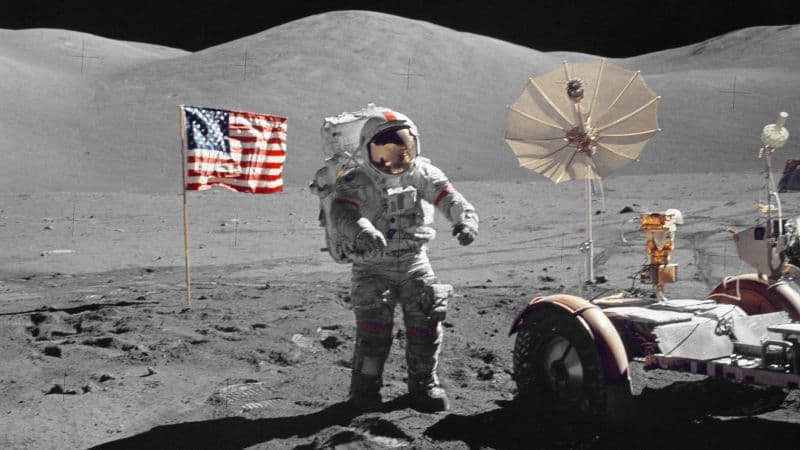
Humanity is embarking on its first journey to the moon's vicinity in over 50 years with NASA's Artemis program, following Apollo 17's final lunar steps in December 1972. The extended gap is largely due to the substantial political will and sustained national investment required for such complex and costly endeavors. Shifting presidential administrations frequently altered space priorities, hindering consistent progress toward lunar missions. The Artemis program, however, signifies a renewed commitment, aiming beyond Apollo's historical achievements. Unlike the Apollo missions focused on brief surface excursions, Artemis endeavors to establish a sustainable human presence on the moon, supported by modern infrastructure and technological leaps. This ambitious undertaking is also influenced by a new geopolitical landscape, with an emerging space race and international accords shaping exploration strategies. Commercial partnerships have become instrumental, enabling advancements and cost-sharing. Experience from long-duration spaceflight, like the International Space Station, and robotic reconnaissance missions are vital for supporting extended lunar stays, including identifying potential resources. The geopolitical context echoes the past, with nations like China posing significant competition, underscoring the collaborative yet competitive nature of current lunar ambitions. Lessons learned from past spaceflight tragedies emphasize a more risk-averse approach.