Home / Science / Lab-Grown 'Organ Sacks' Could End Animal Testing
Lab-Grown 'Organ Sacks' Could End Animal Testing
26 Mar
Summary
- Scientists are engineering 'organ sacks' from human cells.
- This aims to replace animal testing in medical research.
- These 'bodyoids' would lack brains, therefore no consciousness.
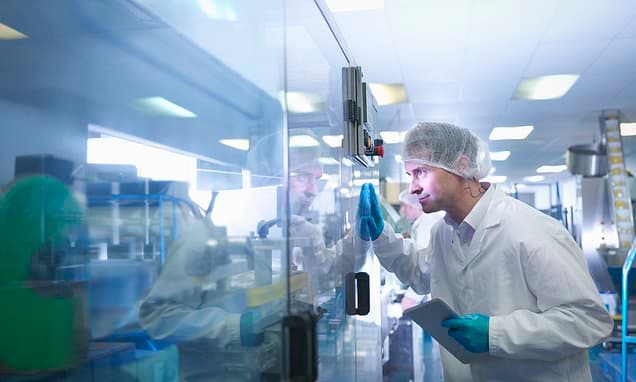
R3 Bio, a San Francisco-based startup, is pioneering a controversial approach to medical research by engineering "organ sacks" from human cells. These laboratory-grown "bodyoids" are designed to be headless and non-sentient, aiming to eliminate the ethical concerns and suffering associated with animal testing. The company's ultimate goal is to create complete organ systems for drug development and potentially for human transplants.
While the technology for mouse organ sacks is reportedly developed, human versions are still theoretical, to be created using stem-cell technology and gene editing. This vision has garnered support from prominent investors, including Singapore-based Immortal Dragons, highlighting the lucrative potential in longevity medicine. The proposed method seeks to provide a comprehensive platform for testing drug efficacy and toxicity across an entire human system, moving beyond single-organ or cell-group studies.
This development comes as the US continues to use tens of thousands of non-human primates in experiments annually, with a significant number experiencing extreme pain. R3 Bio's innovation offers a potential ethical and scientifically robust alternative. The success of this technology, however, may hinge on public acceptance and overcoming a significant "yuck factor," as noted by bioethicist Hank Greely.