Home / Science / Humans Still Evolving: High-Altitude Secrets Revealed
Humans Still Evolving: High-Altitude Secrets Revealed
20 Feb
Summary
- Tibetan communities thrive at high altitudes due to genetic adaptations.
- Reproductive success linked to efficient oxygen transport traits.
- Average hemoglobin with high oxygen saturation shows maximum benefit.
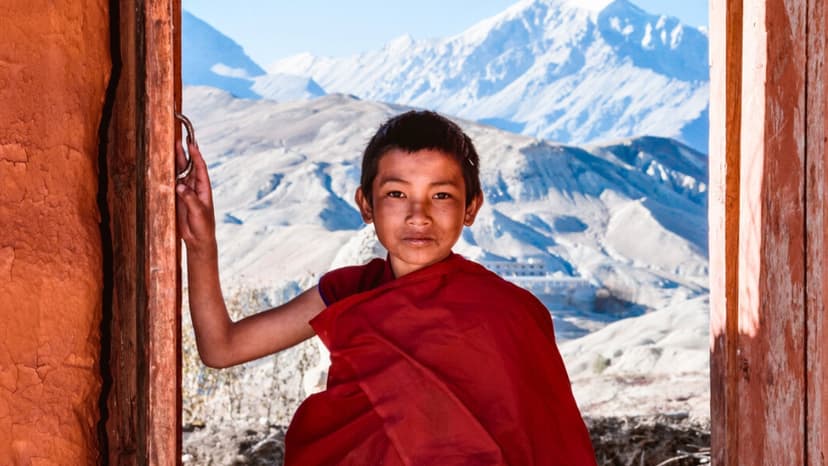
Human evolution is an ongoing process, with populations continuously adapting to diverse environments. A prime example is observed in Tibetan communities, who have thrived for over 10,000 years in regions with low atmospheric oxygen. Their bodies have developed unique adaptations to cope with high-altitude hypoxia, a condition that severely affects most individuals.
Recent research has illuminated specific traits that enhance the blood's oxygen-carrying capacity. By studying reproductive success, scientists identified that women with the highest number of live births possessed favorable oxygen transport characteristics. These traits maximize oxygen delivery to tissues without dangerously thickening the blood or overstressing the heart.
Key findings indicate that an intermediate level of hemoglobin combined with high oxygen saturation in the blood is most beneficial for reproductive success. Furthermore, increased blood flow to the lungs and wider left ventricles in the heart contribute to efficient oxygen uptake and circulation. Cultural factors also play a role, but physical adaptations are crucial for thriving in extreme altitudes, demonstrating natural selection at work.