Home / Science / Mice Grow Human Brain Halves for Disease Research
Mice Grow Human Brain Halves for Disease Research
16 Sep
Summary
- Mice were engineered to lack key brain regions, allowing human cells to grow.
- Human brain cells from patients are transplanted into mice for study.
- This research aims to find new treatments for severe neurological disorders.
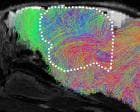
Scientists have developed a novel method to grow mice with half-human brains, offering a new avenue for understanding and treating debilitating neurological conditions. This groundbreaking research involves transplanting lab-grown human brain cells into mice that were genetically engineered to lack a developed cortex or hippocampus, creating space for the human tissue to flourish.
The procedure allows researchers to take cells from patients with disorders such as schizophrenia, epilepsy, and rare dementias, cultivate them into brain tissue in a lab, and then grow this tissue within living animals. This creates a unique model for studying how these disorders manifest in human brain tissue and for testing potential drug therapies.
Professor Sergiu Pașca of Stanford University, who led the research, highlighted the critical need for such models due to the inaccessibility of the human brain for study. The work builds upon previous efforts, overcoming limitations by engineering mice to accommodate more significant growth of human neural organoids.
Ethical considerations, particularly concerning animal welfare and the potential for consciousness in organoids, have been addressed with oversight from the outset. Experts emphasize the importance of continued monitoring of the animals. The study also identified rare von Economo neurons in the human brain tissue within the mice, which are relevant to conditions like frontotemporal dementia.
While acknowledging the artificial nature of the model compared to natural brain development, the research is seen as valuable for understanding disorders and treatments requiring a whole-animal context. This advancement could inform the development of more mature in vitro brain models in the future.


