Home / Science / Gut Bacteria Linked to Poverty's Health Toll
Gut Bacteria Linked to Poverty's Health Toll
25 Feb
Summary
- Poorer areas linked to less diverse gut bacteria.
- Specific bacteria species tied to anxiety and diabetes.
- Gut health impacts mood, energy, and blood sugar.
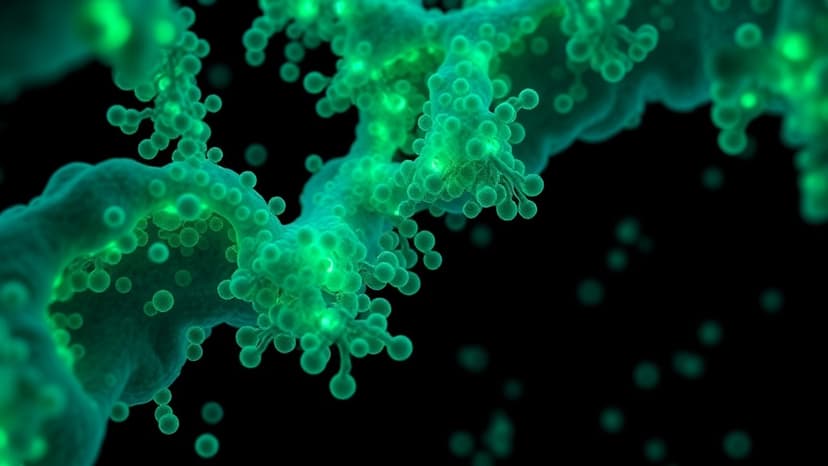
New research indicates a significant link between socioeconomic status and gut microbiome diversity in the UK. The study, involving 1,390 female twins, found that people living in the poorest areas possess a less diverse range of gut bacteria, contributing to worse health.
Analysis identified 12 bacterial species associated with deprivation. Notably, Lawsonibacter and Intestinimonas massiliensis were negatively linked to deprivation and showed higher rates of anxiety and diabetes. These bacteria are vital for producing butyrate, which aids energy balance and blood sugar control.
Researchers suggest that changes in these specific gut bacteria could be a biological mechanism through which social disadvantage affects both mental and physical health. This emerging understanding highlights the gut microbiome's critical role in health inequalities.
The findings propose that the gut microbiome's health is a key factor connecting social deprivation to adverse health outcomes. This could offer new strategies for supporting health in disadvantaged communities by focusing on gut health interventions.