Home / Science / Greenland Sharks: Not So Blind After All!
Greenland Sharks: Not So Blind After All!
22 Jan
Summary
- New research shows Greenland sharks are not blind.
- These ancient sharks live in frigid Arctic waters.
- Reproduction details of these sharks remain unknown.

For decades, Greenland sharks have been believed to be functionally blind and among the oldest living vertebrates. However, recent groundbreaking research has challenged these long-held assumptions.
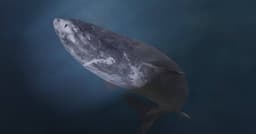
Scientists have discovered that Greenland sharks are not blind; their retinas are structurally pristine and can detect light and contrast. This finding emerged from extensive study despite the sharks commonly having cloudy eyes and parasitic eye infections.
Further observations have revealed these sharks exhibit greater movement range than previously thought. Researchers noted them diving vertically and using fins for precise movements, suggesting they are more capable predators than assumed.
Despite new insights, critical aspects of Greenland sharks remain unknown. Their reproductive behaviors, including where they reproduce and litter size, have eluded scientists for over 75 years since the last pregnant female was documented in 1950.
The Arctic environment is rapidly changing, posing additional uncertainties for studying these elusive fish. Scientists aim to understand how these shifts might impact the Greenland shark population.