

Home / Science / Great Lakes Set for Tidal Power Boost
Great Lakes Set for Tidal Power Boost
30 Mar
Summary
- Submersible tidal generators are coming to the Great Lakes.
- This technology can provide reliable, 24/7 power for industrial needs.
- Environmental concerns are being addressed with successful fish-safe operations.
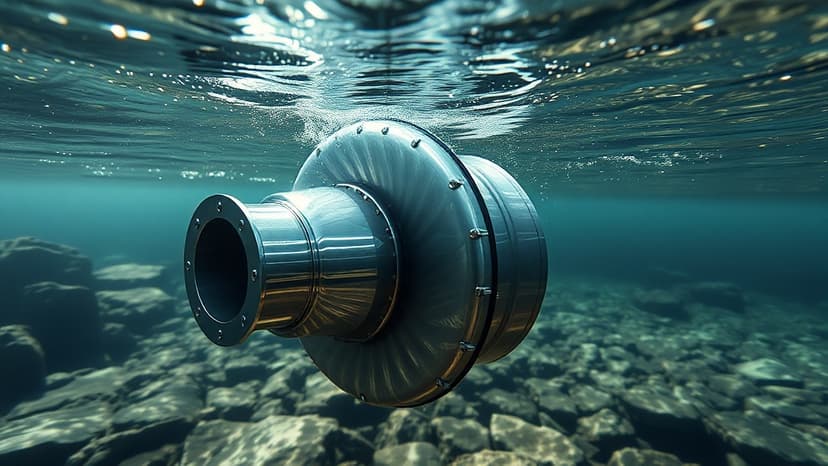
Next-generation tidal-powered generators are set to be deployed in the Great Lakes region, aiming to bolster clean energy efforts amidst rising electricity demand and costs. The Ocean Renewable Power Company (ORPC) is leading this initiative, with projects planned on the St. Lawrence River in Montreal and the Niagara River in Buffalo, New York. These submersible devices utilize carbon fiber turbines to capture energy from consistent, high-velocity water flows.
The technology offers a reliable, 24/7 power source, appealing to industrial customers facing growing energy needs, including those supporting AI development. ORPC's CEO, Stuart Davies, highlighted the potential of rivers like the St. Lawrence, estimating significant resource potential alone in the Montreal area. This advancement comes as electricity prices surge across the Great Lakes states, with New York already approving rate increases and similar trends observed in Michigan and Ohio.
While hydropower facilities in the US typically face an eight-year licensing process, Canada's administrative authorities in Montreal and Quebec have a more established culture of deploying hydropower. Environmental concerns regarding fish species have been raised, but ORPC reports no fish injuries at its Alaska deployment site, where millions of salmon migrate annually. Further research is ongoing for slower-moving waterways, with technologies like Professor Michael Bernitsas's Vivace being tested in the St. Clair River.
A significant advantage for Great Lakes projects is the absence of salt, which reduces corrosion issues common in ocean-based systems. Additionally, anchoring these devices to the riverbed can mitigate problems associated with surface ice in winter. The technology also benefits from ongoing investment and production tax credits in the US, which remain in place until at least 2033, enhancing its relative competitiveness.
