Home / Science / Deep Earth Heat: Clean Energy's Land Saver
Deep Earth Heat: Clean Energy's Land Saver
4 Feb
Summary
- Enhanced geothermal systems reduce land for wind, solar, and batteries.
- EGS provides constant electricity, ideal for AI data centers.
- Geothermal costs may drop significantly by 2035.
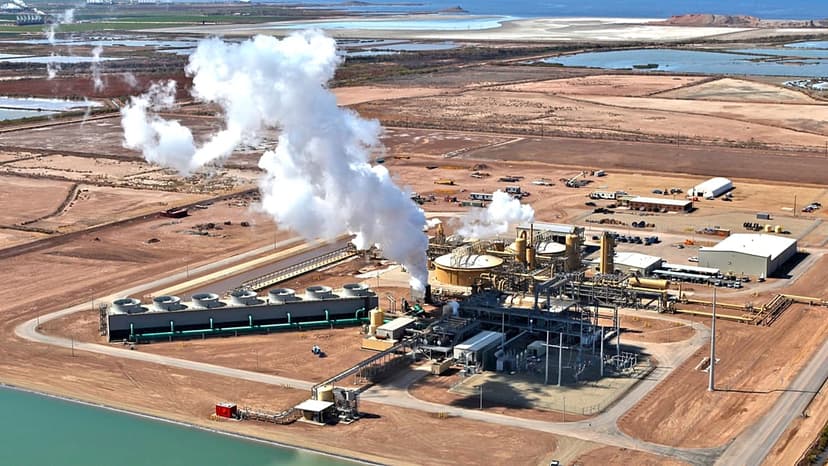
Enhanced Geothermal Systems (EGS) show promise in reducing the land footprint of renewable energy infrastructure. A Stanford University study indicates that incorporating EGS into the energy mix can significantly decrease the need for wind, solar, and battery storage. When EGS contributed just 10% of electricity, onshore wind capacity needs fell by 15%, solar by 12%, and battery storage by 28%.
This advancement offers substantial infrastructure savings, making clean energy transitions more feasible, particularly for densely populated nations. The study also highlighted that renewable energy, with or without EGS, dramatically cuts annual energy costs by around 60% compared to fossil fuels. Factoring in health and climate benefits further reduces social costs by approximately 90%.
EGS technology, which involves drilling deep underground and using heated fluids to generate electricity, could provide a reliable power source for energy-intensive applications like AI data centers. Projections suggest EGS costs could drop significantly by 2035 due to improvements in drilling speeds, offering a rapid deployment advantage over other energy sources like nuclear power.