

Home / Science / Cancer-Causing Compound Cut in Bread
Cancer-Causing Compound Cut in Bread
7 Apr
Summary
- Gene-edited wheat significantly lowers cancer-causing acrylamide.
- Reduced free asparagine levels in wheat grain by up to 93%.
- UK's Genetic Technology Act facilitates GM crop development.
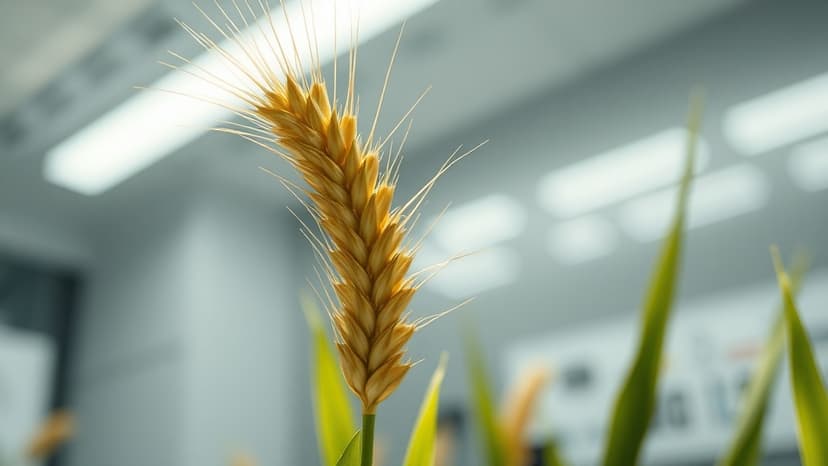
Researchers have successfully developed wheat using Crispr genome editing to create bread with significantly reduced levels of acrylamide, a compound classified as a probable carcinogen. This innovative approach targets the free asparagine amino acid in wheat, which converts to acrylamide when heated.
Two years of field trials demonstrated that Crispr-edited wheat lines could lower free asparagine by up to 93% without affecting crop yields. Products like bread and biscuits made from this wheat showed dramatically reduced acrylamide, with some samples falling below detectable limits even after toasting.
This development arrives as the UK becomes a hub for gene editing research following Brexit, with the Genetic Technology (Precision Breeding) Act of 2023 facilitating the development of such crops. However, future regulatory agreements between the UK and EU could impact the adoption of these precision-bred crops. The EU also has regulations that could restrict foods with high acrylamide levels.
