Home / Science / Guardians of the Fungi: Protecting Earth's Vital Kingdom
Guardians of the Fungi: Protecting Earth's Vital Kingdom
17 Feb
Summary
- Fungi, essential for all life, are largely neglected in conservation.
- Citizen scientists are key to documenting fungal diversity and threats.
- Millions of fungi species contribute trillions to the global economy.
Fungi, a kingdom of life distinct from plants and animals, are crucial for nearly all life forms on Earth. These organisms, including yeasts, molds, lichens, and mushrooms, are vital decomposers and connectors within ecosystems. They contribute an estimated $54 trillion annually to the global economy through food, medicine, and other applications.
Despite their significance, fungi have historically received limited conservation attention. Threats such as pollution, habitat loss, and climate change endanger an estimated 411 of the 1,300 evaluated species globally. Conservation efforts are now gaining momentum, largely due to the work of citizen scientists who document fungal diversity and potential threats.
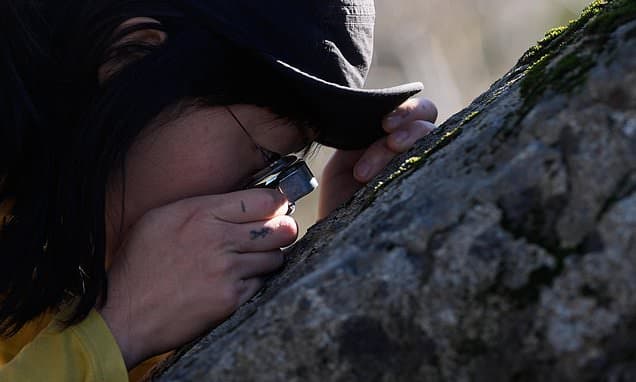
Scientists have only identified about 6% of the estimated 2.5 million fungi species. To effectively conserve them, understanding their existence, locations, health, and the dangers they face is paramount. Groups like the California Lichen Society engage in field trips, acting as treasure hunts and data collection excursions to gather this critical information.
Fungi face numerous threats, including climate change impacting rainfall and temperature, wildfires, logging, development, invasive insects, and pollution. Overharvesting, as seen with the quinine conk in Europe, also poses a significant risk. In the U.S., fungi conservation is still developing, with only two lichen species protected under the federal Endangered Species Act.