

Home / Science / Fishermen Turn Ocean Sensors into Climate Detectives
Fishermen Turn Ocean Sensors into Climate Detectives
1 Apr
Summary
- Fishermen install temperature sensors on traps to collect ocean data.
- Data improves climate models and helps fishermen find optimal fishing spots.
- Program fosters collaboration between fishing industry and scientists.
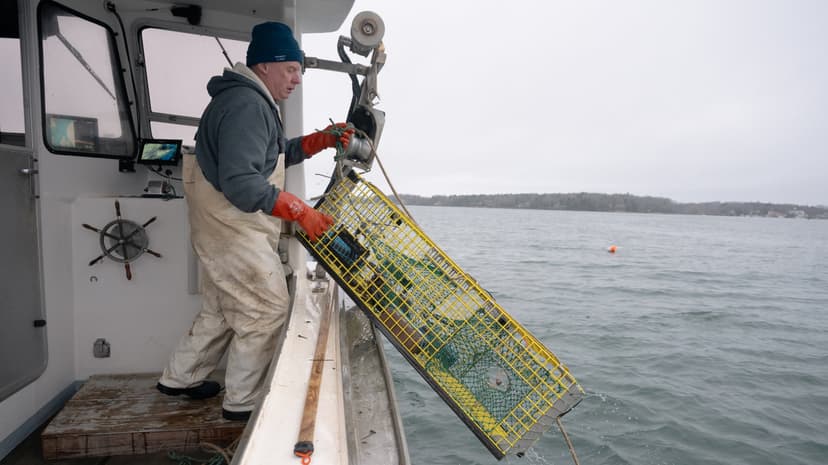
Lobstermen like Bob Hersey Jr. are now vital contributors to oceanographic data collection, installing temperature sensors on their traps. This initiative, involving about 150 fishermen from Maine to North Carolina, is run by a nonprofit with NOAA's support. The sensors provide a detailed, three-dimensional map of ocean conditions, feeding into regional weather and climate models. This data not only aids researchers but also helps fishermen identify prime fishing spots based on temperature patterns.
The program addresses challenges faced by New England's fishing industry, including declining catches and ecosystem changes. It bridges a historical gap between fishermen and scientists, fostering a less combative relationship and allowing fishermen to validate their on-water experiences. Federal scientists use the data for fishery health assessments, informing harvest limits, while academic researchers integrate it into global climate databases. The U.S. Coast Guard also utilizes this information for search and rescue operations.
Since its expansion in 2024 with significant grants, the program has seen high demand for its sensor packages. Over 23 million temperature records have been collected, proving crucial as the Gulf of Maine has warmed rapidly. This warming trend impacts fisheries like cod and shrimp, and has caused lobster populations to shift north. Recent data indicates a temporary cooling trend in the Gulf of Maine, a development that presents new challenges and uncertainties for fishermen, regulators, and scientists in adapting to evolving ocean conditions.
