Home / Science / Inside the F1 Mind: Speed, Memory & Neural Efficiency
Inside the F1 Mind: Speed, Memory & Neural Efficiency
4 Sep
Summary
- Elite drivers use anticipation, not just reflexes, to master speed.
- F1 drivers have denser brain cells in spatial memory regions.
- Skilled drivers use less of their brains, showing neural efficiency.
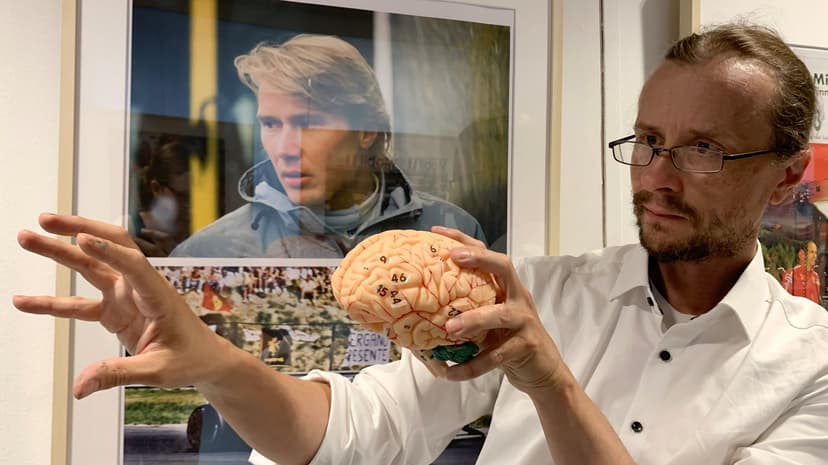
Formula 1 drivers navigate speeds far exceeding normal human perception, a feat achieved through remarkable brain adaptations. Elite drivers prioritize anticipation, predicting the track and car's behavior rather than solely relying on reflexes. This allows their brains to effectively 'buy time' amidst high-velocity racing.
Scientific studies indicate that Formula 1 drivers exhibit enhanced neural structures, particularly in the retrosplenial cortex. This brain region, vital for spatial reasoning and memory, shows denser cell packing and greater connectivity in elite drivers. Such adaptations enable the rapid creation and retrieval of intricate mental maps of racecourses.
Furthermore, highly skilled drivers demonstrate significant neural efficiency, meaning they employ less of their brain's overall capacity during races. This streamlined brain function, coupled with the constant demands of G-forces, heat, and potential danger, highlights the unique mental and physical resilience required in this extreme sport.


