feedzop-word-mark-logo
searchLogin
Feedzop
homeFor YouUnited StatesUnited States
You
bookmarksYour BookmarkshashtagYour Topics
Trending
Terms of UsePrivacy PolicyAboutJobsPartner With Us

© 2026 Advergame Technologies Pvt. Ltd. ("ATPL"). Gamezop ® & Quizzop ® are registered trademarks of ATPL.

Gamezop is a plug-and-play gaming platform that any app or website can integrate to bring casual gaming for its users. Gamezop also operates Quizzop, a quizzing platform, that digital products can add as a trivia section.

Over 5,000 products from more than 70 countries have integrated Gamezop and Quizzop. These include Amazon, Samsung Internet, Snap, Tata Play, AccuWeather, Paytm, Gulf News, and Branch.

Games and trivia increase user engagement significantly within all kinds of apps and websites, besides opening a new stream of advertising revenue. Gamezop and Quizzop take 30 minutes to integrate and can be used for free: both by the products integrating them and end users

Increase ad revenue and engagement on your app / website with games, quizzes, astrology, and cricket content. Visit: business.gamezop.com

Property Code: 5571

Home / Science / Extreme Sleep: Animals' Wildest Naps Revealed

Extreme Sleep: Animals' Wildest Naps Revealed

19 Dec, 2025

•

Summary

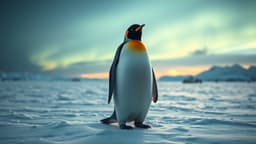
  • Chinstrap penguins take 4-second microsleeps while parenting.
  • Frigatebirds sleep with one brain hemisphere while flying.
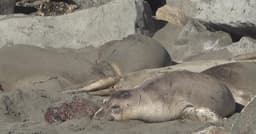
  • Elephant seals nap during deep dives to avoid predators.

The animal kingdom showcases remarkable adaptations for sleep, a vital biological function even under perilous conditions. Researchers are uncovering 'extreme sleep' strategies, from Antarctic penguins to oceanic birds and seals. Chinstrap penguins, for instance, manage round-the-clock chick care by taking thousands of brief, 4-second microsleeps daily, totaling about 11 hours of fragmented rest.

Frigatebirds demonstrate an incredible ability to sleep mid-flight, utilizing unihemispheric slow-wave sleep. This allows one side of their brain to rest while the other remains alert for navigation and predator avoidance, enabling them to soar for weeks without landing. Back on land, they adopt more conventional, longer sleep patterns.

Similarly, elephant seals on foraging trips, some lasting up to eight months, sleep during deep dives, reaching depths where predators are less active. This sleep, comprising both slow-wave and REM stages, occurs during their descent, with some seals even exhibiting a 'sleep spiral' during REM sleep. These findings highlight nature's ingenuity in ensuring rest despite significant ecological challenges.

trending

JPMorgan Chase earnings beat

trending

Patriots defeat Chargers 16-3

trending

Leafs beat Avalanche in OT

trending

Anthropic launches Claude for Healthcare

trending

Clippers beat Hornets

trending

Red Wings honor Fedorov

trending

Kings beat Los Angeles Lakers

trending

Emma Raducanu Hobart debut

Disclaimer: This story has been auto-aggregated and auto-summarised by a computer program. This story has not been edited or created by the Feedzop team.
Chinstrap penguins take thousands of 4-second microsleeps daily to stay alert while caring for their young.
Yes, frigatebirds can sleep with one half of their brain while flying, keeping the other half alert.
Elephant seals sleep during the deepest parts of their dives in the ocean, away from predators.

Read more news on

Scienceside-arrow

You may also like

Avian Flu Devastates Elephant Seals

23 hours ago • 12 reads

article image

Penguin Plight: Sardine Scarcity Threatens Survival

11 Jan • 14 reads

article image

Hull Aquarists Brave Arctic Cold for Sea Turtle Rescue

11 Jan • 11 reads

article image

Assam Man Becomes Wildlife Guardian, Fights Poachers

11 Jan • 14 reads

Warming Antarctic Threatens Adelie Penguins

20 Dec, 2025 • 144 reads

article image