Home / Science / Extreme Sleep: Animals' Wildest Naps Revealed
Extreme Sleep: Animals' Wildest Naps Revealed
19 Dec, 2025
Summary
- Chinstrap penguins take 4-second microsleeps while parenting.
- Frigatebirds sleep with one brain hemisphere while flying.
- Elephant seals nap during deep dives to avoid predators.
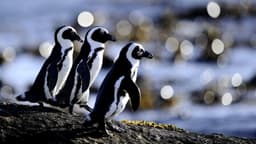
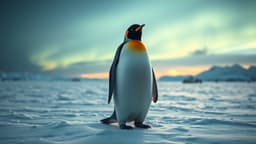
The animal kingdom showcases remarkable adaptations for sleep, a vital biological function even under perilous conditions. Researchers are uncovering 'extreme sleep' strategies, from Antarctic penguins to oceanic birds and seals. Chinstrap penguins, for instance, manage round-the-clock chick care by taking thousands of brief, 4-second microsleeps daily, totaling about 11 hours of fragmented rest.
Frigatebirds demonstrate an incredible ability to sleep mid-flight, utilizing unihemispheric slow-wave sleep. This allows one side of their brain to rest while the other remains alert for navigation and predator avoidance, enabling them to soar for weeks without landing. Back on land, they adopt more conventional, longer sleep patterns.
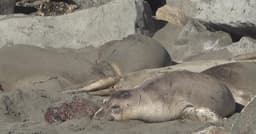
Similarly, elephant seals on foraging trips, some lasting up to eight months, sleep during deep dives, reaching depths where predators are less active. This sleep, comprising both slow-wave and REM stages, occurs during their descent, with some seals even exhibiting a 'sleep spiral' during REM sleep. These findings highlight nature's ingenuity in ensuring rest despite significant ecological challenges.