Home / Science / Rare Bloom Resurfaces After 100 Years
Rare Bloom Resurfaces After 100 Years
28 Nov, 2025
Summary
- A plant thought extinct for over a century has been rediscovered.
- The Exacum loheri relies on fungi for nutrients, not chlorophyll.
- Its rediscovery strengthens the case for protecting the Masungi Georeserve.
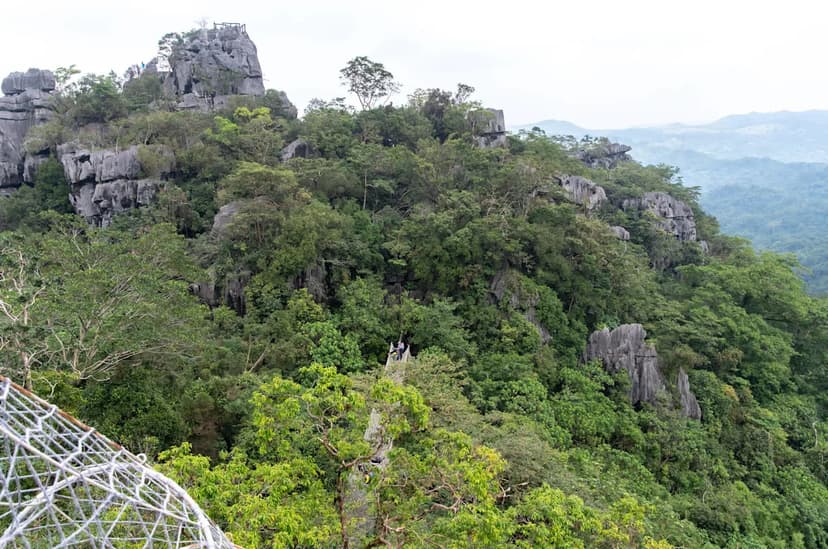
Scientists have rediscovered a rare species of flora, Exacum loheri, in the Philippines, a plant that had not been seen for over a century. This botanical marvel, first documented in 1895, was recently photographed by researchers in the Masungi Georeserve. Its unique characteristic as a mycoheterotroph, deriving nutrients from fungi instead of producing its own chlorophyll, makes it a subject of significant scientific interest.
The reappearance of Exacum loheri underscores the exceptional biodiversity housed within the 2,700-hectare Masungi Georeserve. This discovery provides compelling evidence for stakeholders to enhance protection measures against potential threats such as raw material extraction and land speculation, even as conservationists weigh the development of renewable energy projects outside sensitive areas.
This rediscovery echoes similar botanical triumphs, including Amalophyllon miraculum in Ecuador and Millettia sacleuxii in Tanzania, offering a beacon of hope for countless endangered species. The persistence of Exacum loheri suggests that even the most vulnerable flora can adapt and survive, fostering optimism for global biodiversity conservation efforts.


